
Western Disturbance Unleashes Wintry Onslaught: A 3-Day Deep Dive into India’s Disruptive Weather Pattern
A significant western disturbance is driving a complex and disruptive three-day weather event across India, bringing distinct challenges to multiple regions. From December 13th to 15th, the Himalayan states of Jammu & Kashmir, Himachal Pradesh, and Uttarakhand face light to moderate rain and fresh snowfall, disrupting travel and isolating communities. Its ripple effect pulls cold north-westerly winds into the northern plains, plunging Punjab, Haryana, and Delhi-NCR into a cold wave accompanied by dense, disruptive morning fog that cripples transportation.
Simultaneously, in a separate pattern, parts of South India—including Tamil Nadu, Kerala, and Karnataka—brace for unseasonal post-monsoon rain and thunderstorms, threatening standing crops, while northeastern states endure their own bout of cold and foggy conditions, collectively painting a picture of a nation grappling with a multifaceted winter onslaught that demands regional preparedness and caution.
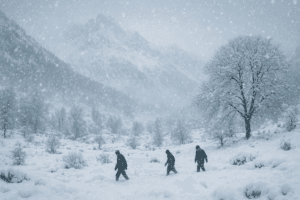
Western Disturbance Unleashes Wintry Onslaught: A 3-Day Deep Dive into India’s Disruptive Weather Pattern
While winter typically conjures images of steady, calm cold, the weather dynamics across the Indian subcontinent are currently anything but static. A significant atmospheric event is unfolding, promising to reshape conditions from the snow-clad peaks of the Himalayas down to the coastal plains of the south. This isn’t just a simple cold spell; it’s a complex interplay of systems that demands a closer look beyond the standard forecast. Over the next 72 hours, residents from Jammu & Kashmir to Kerala will need to brace for a period of impactful weather, each region facing its own unique set of challenges.
The Driving Force: Decoding the Western Disturbance
At the heart of this widespread weather activity lies a potent Western Disturbance (WD). For those unfamiliar, a WD is not a storm in the conventional sense, but rather an extra-tropical cyclone that originates over the Mediterranean Sea. It carries a payload of moisture and energy eastward, where it collides with the mighty Himalayas. This collision is the trigger for most winter precipitation in North India.
The current WD is particularly active. As it interacts with the hills, it is not only causing precipitation but also influencing wind patterns and temperature gradients across the plains. Think of it as a rock thrown into a pond; the WD is the point of impact, but the ripple effects—in the form of cold winds, fog formation, and unusual rainfall patterns—are felt far and wide. Its influence is expected to be most intense until December 15th, making this a critical three-day window.
Region-by-Region Impact Analysis and Preparedness Guide
- The Himalayan Belt: Snow, Slush, and Travel DisruptionsThe hilly states are on the front lines of this WD.Jammu & Kashmir, Himachal Pradesh, and Uttarakhand are under a blanket of cloud cover, with forecasts predicting light to moderate rain and, critically, fresh snowfall in higher reaches.
- Ground Reality: Places like Gulmarg, Pahalgam, and upper regions of Himachal are already experiencing sub-zero temperatures, with Kupwara reportedly at -3°C. The fresh snowfall, while picturesque, brings tangible disruptions.
- Human Insight & Value: This weather poses significant travel hazards. Key passes (e.g., Zoji La, Rohtang Pass area) may see temporary closures. Travelers must check road status with state traffic police and be prepared for extended journeys. For locals, it’s a period of heightened isolation for remote villages, underscoring the importance of stocked supplies and reliable heating. The agriculture and horticulture sectors, especially apple orchards in their dormant phase, must safeguard against excessive snow load on structures.
- The Northern Plains: An Icy Grip and Visibility CrisisThe WD’s indirect effect is a funneling of cold, north-westerly winds into the plains.Punjab, Haryana, Delhi-NCR, and parts of Uttar Pradesh are not facing rain, but a sharp drop in minimum temperatures coupled with dense morning fog.
- The Fog Factor: This isn’t just mist. Dense fog (visibility < 200 meters) cripples transportation. Flight schedules at airports like Delhi (IGI), Amritsar, and Chandigarh face delays and cancellations. Highway travel, especially on key routes like the Yamuna and Delhi-Mumbai Expressways, becomes perilous, leading to pile-up risks.
- Practical Advice: For commuters, traveling during peak fog hours (pre-dawn to 10 AM) should be minimized. If essential, use high-beam headlights only when no vehicle is approaching; otherwise, low-beam fog lights are more effective as they cut through the fog better. The elderly and homeless are extremely vulnerable during such cold waves; community checks and shelter access are vital.
- Southern Surprise: Unseasonal Thundershowers Post-MonsoonIn a twist,Tamil Nadu, Kerala, Puducherry, and parts of Karnataka and Andhra Pradesh are also on alert for rain and thunderstorms. This is not linked to the WD but likely due to residual moisture, local convective activity, or a trough off the coast.
- Why This Matters: Post-northeast monsoon, such spells are less common. While beneficial for water tables, they can damage standing crops ready for harvest, like paddy in the Cauvery delta or horticulture crops. Sudden thunderstorms also bring risks of localized flooding in urban areas and lightning strikes.
- Agricultural Insight: Farmers in these regions are advised to postpone harvesting activities for these few days if possible and ensure proper drainage in fields. The public should avoid venturing into open fields or under isolated trees during thunderstorm activity.
- The Northeastern Corner: A Different Kind of ChillWhile the WD’s influence wanes here, thenortheastern states are grappling with their own version of winter—a cold wave accompanied by dense fog. This combination in the Brahmaputra and Barak valleys can be particularly harsh, affecting tea gardens and daily life.
Beyond the Forecast: Health, Infrastructure, and Daily Life
This weather pattern is more than a series of bulletins; it’s a test of preparedness.
- Health Advisory: The cold and damp conditions are a breeding ground for respiratory illnesses—asthma, bronchitis, and flu. Wearing layered clothing, staying dry, and ensuring proper indoor ventilation are crucial. The elderly and children should limit early morning exposure.
- Infrastructure Check: Municipal bodies in northern plains need to be on high alert for fog-related traffic management. In the hills, utilities must be prepared for power outages that often accompany heavy snow.
- The “Feel-Like” Temperature: With moisture in the air in many regions, the “feel-like” or apparent temperature will be several degrees lower than what the thermometer shows. This “wet cold” penetrates more deeply, making protective measures essential.
Frequently Asked Questions (FAQ)
Q1: Is this snowfall in Kashmir unusual for December? A: Not at all. December is core winter season in the Himalayas. In fact, timely snowfall is crucial for winter sports tourism and replenishing glaciers. The current activity is well within the normal range, though its intensity can vary yearly.
Q2: Why is it raining in South India after the monsoon has withdrawn? A: The monsoon is the primary seasonal rain-bearing system. However, sporadic rainfall can occur in winter due to local weather phenomena like troughs, cyclonic circulations, or moisture incursion from surrounding seas. It’s less predictable and widespread than monsoon rain.
Q3: Will this weather affect air quality in Delhi-NCR? A: Interestingly, the rain in the hills and winds can initially improve air quality by dispersing pollutants. However, the subsequent calm, foggy conditions in the plains can trap pollutants near the surface, potentially leading to a rapid deterioration once the active weather passes. It’s a mixed bag.
Q4: What’s the difference between a cold wave and just a cold day? A: The IMD declares a cold wave when the minimum temperature dips to at least 4.5°C below normal, or falls below 4°C in the plains. A “cold day” is when the maximum temperature is 4.5°C or more below normal. The current scenario in Punjab-Haryana is edging towards cold wave conditions in several districts.
The Bottom Line: Vigilance Over Alarm
The next three days present a classic Indian winter scenario, amplified. From the tourist in Manali to the trucker on NH-44, from the farmer in Tamil Nadu to the commuter in Delhi, this weather demands respect and adaptation.
Staying informed through official IMD updates and state disaster management authorities is key. This event reminds us of the diverse and interconnected climate of India, where a ripple in the Mediterranean can translate into snowfall in Gulmarg, fog in Faridkot, and a thunderclap in Thiruvananthapuram. By understanding the “why” behind the forecast, we can move beyond mere awareness to genuine preparedness, navigating this wintry interlude with caution and resilience.
You must be logged in to post a comment.