
Unseasonable Warmth Chills Retail: How a Muted Winter Is Reshaping North India’s Apparel Landscape
An unseasonably warm winter in North India has significantly dampened apparel sales, with retailers reporting declines of up to 25% for cold-weather clothing like jackets and sweaters. Despite an early onset, higher-than-expected daytime temperatures have led to muted consumer demand, leaving stores grappling with elevated inventories. This shortfall is particularly impactful as the winter season typically contributes up to 40% of annual revenue for many retailers, given the higher margins on winter wear. The India Meteorological Department’s forecast of no significant cold wave has further stifled hopes for a late-season recovery, forcing the industry to confront the challenges of climate volatility and reconsider inventory strategies built on predictable seasonal patterns.
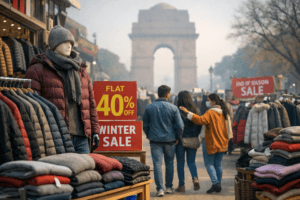
Unseasonable Warmth Chills Retail: How a Muted Winter Is Reshaping North India’s Apparel Landscape
A crisp, cold morning in December is more than just a weather pattern in North India—it’s an economic signal. For generations, the dip in the mercury has triggered a well-orchestrated rush: retailers roll out racks of woolens, families plan shopping trips, and the seasonal rhythm of commerce hits its peak. This year, however, that rhythm has faltered. An early onset of winter, paradoxically, has been met with a warm indifference by consumers, leaving the apparel industry facing an unexpected and costly chill.
The Forecast That Fizzled: A Season Out of Sync
Winter in North India typically announces itself with authority by late October. Following Diwali, stores traditionally transition from festive silks and cottons to winter collections. Jackets, sweaters, thermals, and sweatshirts move to the forefront, supported by marketing campaigns built around cozy imagery and cold-weather essentials. This year, the India Meteorological Department (IMD) noted winter’s early arrival, raising initial hopes for a long and robust sales season.
Yet, as Lalit Aggarwal, Managing Director of V-Mart, observes, “Winter arrived early but never gained momentum.” The critical sharp drop in temperature—the kind that makes a woolen shawl a necessity, not an accessory—has largely failed to materialize. Daytime temperatures have remained stubbornly higher than seasonal averages, with the IMD forecasting no significant cold wave for the crucial last week of December. The result is a consumer psyche still in autumn mode, seeing little urgent need to invest in heavy winter wear.
The Inventory Equation: When Stock Becomes a Burden
The apparel retail cycle operates on precise, forward-looking calculations. Orders for winter collections are placed months in advance, based on historical sales data, trend forecasts, and anticipated weather patterns. Factories produce these goods, and by October, warehouses and store shelves are stocked, ready for the demand surge.
This year, that anticipated surge has been a trickle. Retailers across key markets like Delhi, Punjab, Haryana, and Rajasthan report sales declines of up to 25% for winter-specific categories. The most immediate impact is a ballooning of inventory. High-margin items like premium jackets, cashmere sweaters, and insulated sweatshirts are sitting idle, occupying valuable retail space and tying up capital.
This creates a two-fold problem. First, there’s the direct financial hit: winter wear often accounts for up to 40% of annual revenue for many retailers, not just because of volume, but because of higher price points and better margins compared to summer clothing. A subdued season directly pressures annual profitability.
Second, excess inventory has a cascading effect. It may lead to deep, margin-eroding discounts post-December to clear stock, which can condition consumers to wait for sales rather than buy at full price. It also disrupts the cycle for the coming year, as retailers may become overly cautious, potentially leading to shortages if next winter is severe.
The Consumer’s Calculated Wardrobe: Shifting Purchase Psychology
Devarajan Iyer of Lifestyle India pinpoints the nuance: “While night-time temperatures have been lower, daytime temperatures have not dropped sufficiently to create a strong need.” This speaks to a fundamental shift in consumer behavior. Winter apparel, especially in urban areas, is increasingly driven by practical daily need rather than seasonal tradition.
The modern consumer, more value-conscious and wardrobe-savvy, is asking different questions:
- “Will I wear this enough this season to justify the cost?” A light puffer jacket might suffice for a chilly evening, making a heavy wool coat seem like an unnecessary expense.
- “Is this transitional?” Items that work across seasons—like lightweight sweaters or layering pieces—are seeing more interest than extreme cold-weather gear.
- “Can I delay this purchase?” With no immediate discomfort, the decision is postponed, often indefinitely.
This psychology benefits categories like innerwear, light layers, and fashion-led outerwear that isn’t overly bulky, but it devastates the core high-value winter segment.
Regional Divergence and Omnichannel Nuances
An interesting sub-narrative is the regional variation. While North India struggles, retailers note that other parts of the country have performed better. Markets in the hills or regions with more predictable cold weather see steady demand. Furthermore, markets in West and Central India, where winters are milder but still distinct, may be benefiting from a more balanced inventory that aligns with their less extreme needs.
The muted demand also tests different retail models differently. Large-format department stores and value retailers like V-Mart, with significant exposure in North India, feel the brunt. Pure-play online fashion platforms may have slightly more agility in redirecting marketing focus away from heavy woolens and using dynamic pricing, but they are not immune to the inventory glut. The omnichannel challenge becomes one of strategic discounting: how to clear stock online without cannibalizing in-store sales, and vice versa.
Beyond the Weather: Structural Winds of Change
While the warm winter is the immediate catalyst, it’s amplifying existing structural shifts in Indian apparel retail:
- The Fast Fashion Mindset: The rise of affordable, trend-driven brands has shortened wardrobe cycles. Consumers, especially younger demographics, may opt for a few trendy, inexpensive winter pieces each year rather than investing in durable, classic items meant to last several seasons.
- Climate Anxiety and Conscious Consumption: An unseasonably warm winter is no longer just an anomaly; for many, it’s a tangible sign of climate change. This can subconsciously influence purchasing, making investments in heavy winter gear feel like a bet against a warming future.
- Experiential over Material Spending: Discretionary spending continues to pivot towards experiences—travel, dining, entertainment. A warm winter makes this shift easier, as the saved money on a winter wardrobe can be redirected towards a holiday trip.
Navigating the Thaw: Strategies for a Resilient Future
The current season is a stark lesson in risk management for the industry. Moving forward, we can expect a strategic recalibration:
- Weather-Responsive Supply Chains: Retailers will invest more in data analytics, blending long-range weather forecasts with real-time sales data to make inventory decisions later and in smaller batches. Agile manufacturing partnerships will become more valuable.
- The Rise of “All-Weather” Fashion: Collections will likely emphasize versatility. Think wool-blend layers suitable for air-conditioned offices, convertible jackets, and fabrics that provide warmth without bulk. The line between winter and autumn collections will blur.
- Strategic Promotions and Diversification: To mitigate seasonality, retailers will push harder to build non-weather-dependent categories like athleisure, formalwear, and accessories year-round.
- Bridging the Online-Offline Gap: Leveraging online channels as liquidators for excess regional stock, targeted to colder micro-markets, can become a sophisticated inventory management tool.
Conclusion: A Season of Reckoning
This mild winter is more than a slow sales quarter; it’s a stress test. It exposes the vulnerability of business models overly reliant on predictable seasonal patterns in an era of climate volatility. The retailers who will thrive are those who see this not just as a lost season, but as a catalyst for innovation. The goal will shift from simply selling winter wear to selling adaptable comfort, from forecasting based on last year’s calendar to anticipating the consumer’s life in a changing climate.
The true insight from this warm winter is that the Indian consumer’s closet—and the industry that supplies it—must become as adaptable as the weather has become unpredictable. The cold-weather business may never be the same, but in that challenge lies the opportunity to build a more resilient, responsive, and intelligent fashion economy.
You must be logged in to post a comment.