
The Deep Freeze and the Haze: Unpacking North India’s Twin Winter Crises
The Deep Freeze and the Haze: Unpacking North India’s Twin Winter Crises
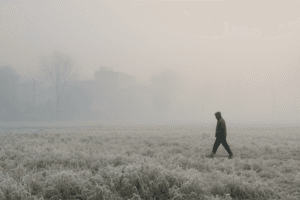
A shiver runs through the northern plains, a visible puff of breath hangs in the still morning air, and the weak winter sun struggles to pierce a persistent, gritty haze. This is the visceral reality for millions across North India as December tightens its grip. Beyond the headlines of plummeting mercury and ‘very poor’ air quality lies a complex tapestry of interlinked crises—environmental, agricultural, and public health—that define life in the region each winter. The recent data points are not isolated weather events but symptoms of a deeper, recurring pattern that demands our understanding.
The Bite of the Cold: More Than Just a Number
The numbers are stark. Fatehpur in Rajasthan at 1.9°C, Faridkot at 3°C, and Delhi bracing for a cold wave with minimums nearly four degrees below normal. But what does this mean on the ground? For the urban poor, it’s a nightly battle for warmth, often fought with thin blankets and makeshift fires in sidewalk settlements. For farmers in Punjab and Haryana, like those pictured around stubble fires near Jammu, the burning serves a dual, desperate purpose: fleeting warmth and a rapid, cheap method to clear fields for the next sowing.
This “below-normal” cold is significant. While North Indian winters are traditionally cool, the intensity and spread of these cold waves often correlate with specific atmospheric patterns. The clear, cloudless skies that frequently accompany high-pressure systems over the region allow daytime heat to escape rapidly at night, leading to sharp radiative cooling. The dry air over Rajasthan and Haryana, predicted to persist, is a perfect catalyst for this phenomenon. The cold isn’t merely an inconvenience; it stresses crops, spikes energy demand for heating, and exacerbates health vulnerabilities, especially when combined with poor air quality.
Delhi’s Perpetual Grey: The Anatomy of ‘Very Poor’
While the cold is a palpable, physical sensation, Delhi’s air pollution is a pervasive, multisensory experience—a metallic taste, a burning in the eyes, a blurred skyline. An AQI of 323, with pockets like Bawana at 373, signifies air that is toxic for everyone, not just the sensitive. The label ‘very poor’ masks a dangerous cocktail: PM2.5 and PM10 particles that embed deep in lungs, nitrogen oxides, carbon monoxide, and a host of other pollutants.
This crisis is a convergence of factors, turning Delhi into a gas chamber with multiple valves open. The cold wave itself is an accomplice. Lower temperatures and higher humidity (touching 100% in Delhi’s mornings) trap pollutants closer to the ground, a meteorological condition known as a lower mixing height. The wind, often still during these periods, fails to disperse the toxic soup.
But the emissions are undeniably man-made. While industrial and vehicular pollution are constant baselines, the seasonal villain—agricultural stubble burning in neighbouring states—adds a critical, volatile layer. The image of farmers warming themselves by the very fires they light is emblematic of this tragic cycle. The practice, though banned, persists due to a lack of affordable, timely, and efficient alternatives for smallholder farmers. The short window between rice harvesting and wheat sowing leaves them with little choice but to burn. This geopolitical and economic reality drifts inexorably into Delhi’s air, transforming an agricultural issue into a metropolitan emergency.
Kashmir’s Fleeting Respite: The Cloud Cover Paradox
In contrast to the plains, Kashmir’s slight rise in minimum temperatures—Srinagar from -4°C to 0.4°C—offers a lesson in atmospheric science. The overcast skies act as an insulating blanket, trapping outgoing terrestrial radiation and preventing the valley from losing as much heat overnight. This “relief,” however, is relative and temporary. Konibal at -3°C and the forecast for light snow underscore that the cold remains profound.
The region’s weather is a delicate balance. The predicted snowfall on the higher reaches is crucial for winter tourism in places like Gulmarg but also vital for the health of glaciers and the replenishment of aquifers that will feed the rivers of the plains in the summer. For Kashmiris, managing the cold is a way of life, woven into the architecture of hamams (traditional heating systems) and the rhythm of the day. Yet, even here, changing climate patterns are making winters more unpredictable, with periods of intense cold interspersed with unusual warm spells.
The Human Cost: A Silent Public Health Emergency
The twin assault of cold and pollution creates a synergistic health disaster. Cold air can trigger bronchospasm and increase blood pressure, stressing the cardiovascular system. When this is combined with high levels of PM2.5, which cause inflammation in the respiratory tract and enter the bloodstream, the risk multiplies. Hospitals see a surge in admissions for asthma, chronic obstructive pulmonary disease (COPD), heart attacks, and strokes.
The most vulnerable are children, the elderly, outdoor workers, and the homeless. For them, every winter day is a risk. The advice to stay indoors is a privilege not everyone can afford, and indoor air, without proper filtration, is often not much safer. This annual crisis normalizes a significant burden of disease and loss of productivity, a cost the society pays collectively but unevenly.
Beyond the Headline: Seeking Solutions in a Wicked Problem
Addressing this annual twin crisis requires moving beyond blame and short-term fixes. It demands a nuanced, multi-pronged, and empathetic strategy:
- For Farmers, Carrots, Not Just Sticks: The solution to stubble burning lies in making alternative methods economically viable. This requires massive investment in decentralized infrastructure for in-situ management (like Happy Seeders) and ex-situ solutions (like biomass plants). Incentives must reach the small farmer directly, and the value chain for paddy straw as a resource—for biofuel, cardboard, or biogas—needs robust market creation.
- Year-Round, Not Seasonal Air Action: Delhi and NCR’s air quality management must be a relentless, year-long effort targeting the permanent sources: vehicular emissions (accelerating the shift to EVs and robust public transit), dust from construction and roads, and industrial pollution. The Graded Response Action Plan (GRAP) is a crisis protocol, not a cure.
- Cold Wave Preparedness: Municipal winter action plans are as necessary as heat action plans. These should include assured night shelters for the homeless, distribution of adequate winter gear, health advisories, and protections for outdoor workers.
- Individual Agency and Collective Responsibility: While systemic change is paramount, individual actions—using public transport, supporting cleaner technologies, and advocating for policy changes—create collective pressure. Investing in good-quality air purifiers and masks (like N95/99) for vulnerable family members becomes a necessary, if unfortunate, personal health measure.
The scene of farmers huddled around a fire, the shrouded silhouette of Delhi’s monuments, the data points from Fatehpur to Srinagar—they are all connected. They tell a story of a region grappling with the intersection of climate patterns, agricultural economics, urban planning, and public health. This winter’ sharp plunge and choking haze are not mere weather reports; they are a stark reminder of the delicate balance we must strike with our environment and with each other. The cold will eventually relent, and the winds may change, but without sustained, thoughtful action, the crisis will only deepen, returning with the next winter’s bite.
You must be logged in to post a comment.