
Surviving the Deep Freeze: Navigating Northern India’s Cold Wave and Protecting Your Health
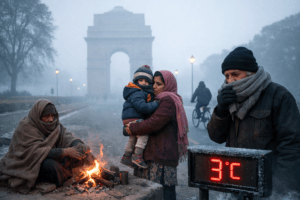
A severe cold wave has gripped Northern India, with Delhi recording its coldest day in two years at 3.2°C, posing serious public health risks as the extreme cold causes blood vessels to constrict, elevating blood pressure and straining the cardiovascular system, particularly endangering vulnerable populations like the elderly and those with pre-existing heart or respiratory conditions such as hypertension, COPD, and asthma, while also increasing risks of hypothermia and respiratory infections, leading hospitals and experts to issue urgent advisories recommending staying indoors during peak cold, dressing in layers, using scarves to warm inhaled air, maintaining hydration and medication, and calling for the implementation of systemic cold action plans—similar to heat action plans—to provide early warnings and protect vulnerable groups amid the broader pattern of increasing extreme weather events.
Surviving the Deep Freeze: Navigating Northern India’s Cold Wave and Protecting Your Health
As dawn broke over Delhi on a recent January morning, thermometers at the Safdarjung observatory recorded a bone-chilling 3.2 degrees Celsius—the coldest reading of the season and a stark reminder of winter’s tightening grip. Across northern India, from Punjab to Uttar Pradesh, millions woke to a meteorological phenomenon that transcends mere discomfort: a severe cold wave that has pushed temperatures 3°C to 5°C below normal for an extended period. But beyond the headline-grabbing numbers lies a more pressing human story—one of physiological strain, heightened health vulnerabilities, and a growing need for both personal preparedness and policy response to what doctors are calling a serious public health challenge.
The Body Under Siege: How Extreme Cold Attacks Your Health
When temperatures plummet, our bodies engage in a complex physiological battle for survival. The immediate constriction of blood vessels—a process called vasoconstriction—serves as the body’s first line of defense, reducing blood flow to the skin to conserve core warmth. While this mechanism prevents rapid heat loss, it comes at a significant cardiovascular cost.
“Cold weather causes blood vessels to constrict, raising blood pressure and increasing the workload on the heart,” explains Dr. Sanjeeva Kumar Gupta, consultant cardiologist at C.K. Birla Hospital in Delhi. This dual burden of elevated blood pressure and increased cardiac workload creates a perfect storm for cardiovascular events, particularly among those with pre-existing conditions.
The respiratory system faces its own challenges in freezing conditions. Cold, dry air directly irritates the airways, causing them to narrow and triggering bronchospasm—a sudden tightening of airway muscles that can prove dangerous for those with chronic lung conditions. Dr. Sanjeev Sinha from AIIMS Delhi notes that inhaling cold air is particularly problematic for patients with Chronic Obstructive Pulmonary Disease (COPD) and bronchial asthma, who experience increased coughing, breathlessness, and wheezing during cold waves.
Perhaps less immediately obvious are the metabolic shifts that occur during prolonged cold exposure. The body’s sodium and potassium levels can fluctuate significantly due to reduced fluid intake, dietary changes, and the use of certain medications. These electrolyte imbalances can affect everything from muscle function to kidney performance, creating additional health complications.
Most Vulnerable Populations: Identifying Those at Highest Risk
Not all individuals face equal danger during cold waves. Medical experts have identified specific groups that require particular vigilance:
| High-Risk Group | Primary Risks | Special Considerations |
| Heart Patients | Increased blood pressure, higher heart attack risk | Avoid early morning walks in extreme cold; continue medications without fail |
| Respiratory Patients (COPD, Asthma) | Bronchospasm, pneumonia risk, worsened symptoms | Use inhalers regularly; limit outdoor exposure; wear scarves over nose/mouth |
| Elderly (65+) | Hypothermia, cardiovascular strain, pneumonia | Ensure adequate indoor heating; monitor for confusion (early hypothermia sign) |
| Young Children & Infants | Rapid heat loss, respiratory infections | Cover head (major heat loss area); watch for lethargy/poor feeding |
| Kidney Patients | Blood pressure fluctuations, electrolyte imbalances | Strict BP monitoring; limit salt; avoid excess potassium-rich winter greens |
| Diabetics | Poorer blood sugar control, infection vulnerability | Maintain indoor activity; consider pneumococcal vaccine |
Children represent a particularly vulnerable demographic that requires special attention. Infants and premature babies lose body heat rapidly due to their disproportionate body surface area relative to weight. Dr. Rakesh Lodha of AIIMS explains that “cold stress in children can lead to lethargy, poor feeding and breathing difficulties,” with respiratory infections being the most common reason for paediatric hospitalisation during winter months.
For those with kidney conditions, the cold presents unique challenges. Most kidney disease patients also have hypertension, and winter typically elevates blood pressure. Dr. Sandeep Mahajan, Professor of Nephrology at AIIMS, recommends maintaining a blood pressure target below 130/80 mm Hg for most patients, with a slightly relaxed range for the elderly. He specifically cautions against excessive consumption of seasonal vegetables like spinach and mustard greens without medical guidance, as they can dangerously elevate potassium levels in vulnerable individuals.
Beyond Discomfort: The Startling Statistics of Cold Wave Mortality
The human cost of India’s cold waves is quantified in sobering statistics. According to a National Crime Records Bureau report referenced by the National Human Rights Commission, 3,639 people died from exposure to cold waves between 2019 and 2023—an average of approximately 728 deaths annually. These numbers position cold waves as one of India’s deadliest extreme climate events, with a 2021 Lancet study identifying Bihar and Uttar Pradesh as particularly vulnerable states.
A research paper titled ‘Spatial and Temporal Analysis of Cold Wave Incidences and Mortality in Indian States’ notes that while deaths linked to cold waves have decreased since 2015, such fatalities could be reduced further through targeted interventions. The study emphasises that “a cold wave can have very harmful effects upon all kinds of organisms inhabiting the area,” including humans, livestock, wildlife, and crops.
Protective Strategies: Medical Advice for Weathering the Chill
Medical experts offer specific, actionable guidance for navigating cold wave conditions safely:
Cardiovascular Protection:
- Avoid early morning walks when temperatures are lowest and air quality often poorest
- Continue taking prescribed cardiac medications without interruption
- Monitor blood pressure regularly, as readings tend to be higher in winter
Respiratory Defense:
- Wear a scarf or mask over the nose and mouth when outdoors to warm inhaled air
- Use prescribed inhalers regularly, even when symptoms seem controlled
- Consider vaccination against influenza and pneumococcal disease, particularly for vulnerable groups
Metabolic and Nutritional Balance:
- Maintain adequate hydration with warm fluids, as dehydration risk increases despite reduced thirst
- Limit consumption of salty and processed foods that can exacerbate blood pressure elevation
- Increase intake of potassium-rich fruits and vegetables to support electrolyte balance
- For diabetics, establish indoor exercise routines to compensate for reduced outdoor activity
General Cold-Weather Practices:
- Dress in multiple loose layers rather than single heavy garments
- Ensure adequate heating in living spaces, particularly for elderly residents
- Recognize early signs of hypothermia: confusion, slurred speech, shivering, and loss of coordination
A Call for Systemic Response: The Need for Cold Action Plans
Perhaps the most significant development in the medical community’s response to cold waves is the growing demand for structured policy interventions. Drawing parallels to heat action plans that have been implemented across various Indian states, doctors are advocating for similar comprehensive strategies to address cold-related health emergencies.
“Cold waves should be taken as seriously as heat waves. Just as heat action plans exist, cold action plans are equally necessary to protect vulnerable populations,” asserts Dr. Rajiv Narang, Professor of Cardiology at AIIMS.
These proposed cold action plans would include early warning systems, identification of vulnerable populations, emergency shelter provisions, and targeted public health messaging. They would also address the infrastructure challenges that compound health risks during cold waves, including unreliable electricity for heating and inadequate thermal insulation in housing, particularly in low-income communities.
The Broader Climate Context: Understanding Changing Patterns
The current cold wave occurs within a broader pattern of changing climate extremes. Long-term government data indicates that the number of cold wave days has increased in several regions, including Jammu & Kashmir, Delhi, and Odisha. This trend suggests that cold weather preparedness must evolve from ad hoc responses to systematic planning integrated into public health infrastructure.
The India Meteorological Department continues to issue “severe cold wave” alerts for multiple states as the current cold spell persists. With forecasts predicting continued low temperatures, the immediate challenge remains protecting vulnerable populations through a combination of individual vigilance, community support, and institutional response.
As northern India endures this period of extreme cold, the situation underscores a fundamental truth about climate and health: what we often dismiss as mere seasonal discomfort can, in reality, represent a significant threat to population health—one that demands respect, preparation, and coordinated action across all levels of society. From the individual decisions to postpone an early morning walk to the policy discussions about cold action plans, our collective response to these freezing temperatures will determine not just our comfort, but in many cases, our very survival.
You must be logged in to post a comment.