
New Year Weather Extremes: How Frost, Fog, and Unexpected Rains Defined India’s Start to 2026
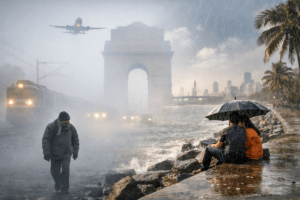
India’s entry into 2026 was marked by a stark climatic divide driven by a powerful winter system: the north and central regions shivered under a severe cold wave and dense fog, while the west coast experienced unseasonal rains. The national capital, Delhi, recorded its coldest December day in six years with temperatures plunging over 6°C below normal, causing widespread travel disruption with hundreds of canceled flights and delayed trains due to near-zero visibility. Simultaneously, Mumbai was greeted by unexpected January showers, its highest in 12 years, attributed to the same overarching weather disturbance. This extreme contrast—from bitter cold in the plains impacting health and agriculture to surprising coastal rain—highlights the significant regional variability and widespread disruption caused by dominant winter patterns across the subcontinent, underscoring the challenges of adapting to increasingly variable climatic conditions.
New Year Weather Extremes: How Frost, Fog, and Unexpected Rains Defined India’s Start to 2026
As 2026 dawned, India’s weather painted a starkly contrasting picture: dense fog and biting cold paralyzed life across the northern plains, while unseasonal showers surprised the western coast. These were not isolated incidents but interconnected symptoms of a dominant winter system gripping the subcontinent, disrupting travel, challenging health, and offering a vivid lesson in the nation’s diverse climate dynamics.
The Core Driver: A Powerful Winter System
The intense cold and fog blanketing northern and central India originate from a significant western disturbance. This weather system, typical in winter, interacted with moisture-laden easterly winds, creating a perfect environment for persistent fog formation. The IMD forecasts this combination to continue bringing below-average temperatures and dense fog affecting visibility and travel across multiple states.
This system’s influence is vast. It triggers cold wave to severe cold wave conditions in isolated parts of Himachal Pradesh, Punjab, Haryana, Chandigarh, and Delhi until January 6. Its reach extends eastward, with dense fog warnings active for 11 districts in Jharkhand, including Garhwa, Hazaribag, and Deoghar, until January 5.
India’s Start to 2026: A Tale of Contrasting Weather Extremes
| Region | Primary Weather Event | Key Metric / Impact | Advisory / Forecast |
| Delhi & North India | Dense Fog & Cold Wave | Visibility as low as 50m; Max temp 14.2°C (6°+ below normal) | Dense fog till Jan 5; Cold wave Jan 4-6 |
| Mumbai & West Coast | Unseasonal Rainfall | 6.7mm at Santacruz (highest Jan rain in 12 years) | No further rain expected; temps to rise to 32-33°C |
| Jharkhand & East India | Dense Fog & Falling Temperatures | Temp in Gumla at 6.4°C; fog alert in 11 districts | Temp to fall by up to 3°C from Jan 4-6; fog till Jan 5 |
| Uttar Pradesh & Central Plains | Prolonged Dense Fog | Reduced visibility across major cities | Dense fog very likely till Jan 5; another spell Jan 8-9 |
Regional Breakdown: From Record Cold to Unseasonal Rain
Delhi-NCR’s Bitter Start The national capital region bore the brunt of the cold. On December 31, 2025, Delhi experienced its coldest December day in six years. The maximum temperature at the Safdarjung observatory was a mere 14.2°C, over 6°C below the seasonal normal. Conditions were even more severe in other parts of the city, with Palam and Lodhi Road recording “severe cold day” conditions. The IMD forecasts ongoing cold day conditions and dense fog until at least January 5, with a cold wave likely in isolated places between January 4 and 6.
Mumbai’s Rain-Soaked Surprise In sharp contrast, Mumbaikars were greeted on New Year’s morning not by sunshine, but by rain showers that began around 5 AM. The Santacruz observatory recorded 6.7 mm of rainfall, marking the highest January rainfall for the station in 12 years. Independent forecasters attribute this to a cold front associated with the northern disturbance, which pulled moisture-laden westerly winds from the Arabian Sea. The respite is temporary, with temperatures expected to climb back to around 32-33°C by the weekend.
Widespread Disruption Across States The impact is truly pan-Indian. In the east, Jharkhand faces a significant drop in minimum temperatures by up to 3 degrees Celsius from January 4-6, accompanied by dense fog. Uttar Pradesh is bracing for prolonged fog spells until January 5, with another round likely around January 8-9. Similar conditions of shallow to moderate fog are affecting parts of Madhya Pradesh, West Bengal, Rajasthan, and the Northeastern states, severely impacting early morning movement.
Tangible Impacts on Daily Life and Infrastructure
The meteorological data translates into real-world consequences:
- Transportation Chaos: Dense fog with visibility often below 50 meters has crippled travel. At Delhi‘s IGI airport, over 150 flights were cancelled and 500 delayed on a single day. The Northern Railways reported over 100 trains delayed under the Delhi division. The IMD warns of continued slow traffic movement and delays in flights and trains, with an increased risk of accidents.
- Compounded Air Quality Crisis: The cold, stable conditions have trapped pollutants. Delhi’s air quality has persisted in the “very poor” to “severe” range. As of January 3, the AQI was 240 (“poor”), creating a double burden of cold and toxic air for residents.
- Agricultural and Health Concerns: The extended cold spell and fog can damage winter crops (Rabi) like wheat and mustard by slowing growth and promoting pests. For the public, especially vulnerable groups, it raises risks of hypothermia, respiratory illnesses, and aggravation of asthma and heart conditions.
The Bigger Picture: Climate Variability and Preparedness
While a single cold spell doesn’t define climate trends, this severe winter aligns with observations of increased climate variability. The IMD had previously indicated that average temperatures in December and January would be below normal, with an increased number of cold wave days. Events like Mumbai’s record January rain challenge traditional seasonal expectations, prompting a need for more adaptive and resilient infrastructure and public weather awareness.
Navigating the Chill: Practical Guidance
For those in affected regions, caution is paramount:
- Travel: Avoid non-essential travel during early morning and late night hours when fog is densest. If driving is necessary, use fog lights, maintain distance, and follow official transport advisories.
- Health: Layer clothing to minimize heat loss. Elderly people, children, and those with respiratory issues should limit exposure and manage indoor air quality. Stay hydrated and be aware of cold-related symptoms.
- Stay Informed: Regularly check real-time IMD bulletins and air quality indices. Heed local advisories regarding school closures or travel restrictions.
Conclusion
India’s entrance into 2026, bookended by Delhi’s record chill and Mumbai’s unexpected rain, showcases the powerful and diverse character of its winter weather. As the IMD’s warnings remain in effect, these conditions serve as a reminder of nature’s force and the importance of preparedness. The coming days will test the resilience of infrastructure and public adaptability, highlighting the ongoing challenge of navigating the country’s complex and often extreme climatic rhythms.
You must be logged in to post a comment.