
Navigating Hyderabad’s Early Summer: Your Guide to Staying Comfortable as Temperatures Climb
Hyderabad is undergoing a definitive seasonal shift as winter recedes, marked by a clear, dry warm-up with daytime temperatures reaching around 30°C under strong afternoon sun, while mornings and evenings retain a milder comfort in the high-teens to 20s. This transition demands practical adaptation, including serious sun protection, proactive hydration due to low humidity, and timing outdoor activities for cooler parts of the day, yet it also offers pleasant opportunities to enjoy the city’s outdoor life and stable weather before the intensity of peak summer arrives.
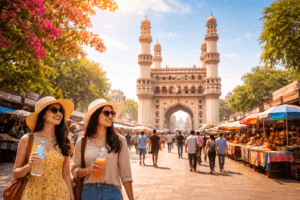
Navigating Hyderabad’s Early Summer: Your Guide to Staying Comfortable as Temperatures Climb
Winter’s gentle embrace has officially loosened its hold on the City of Pearls. As we move through the first week of February 2026, Hyderabad is experiencing a definitive and swift meteorological pivot. The familiar, crisp chill that characterized the early mornings has softened, replaced by a burgeoning warmth that signals the city’s transition into its pre-summer phase. Today’s forecast, pegging the maximum temperature at a notable 30°C, isn’t just a number on a thermometer; it’s a tangible shift in the city’s daily rhythm, wardrobe choices, and lifestyle.
Decoding the Day’s Thermal Profile: More Than Just a High of 30°C
While the headline-grabbing figure is the 30°C mark expected around 3 PM, understanding Hyderabad’s weather requires a nuanced look at the entire diurnal cycle.
- The Lingering Cool of Dawn: The day begins not with heat, but with a residual, mild coolness. Minimums dipping to between 16°C and 19°C mean that the early hours, until about 9 AM, still carry a faint whisper of the departed winter. This is the last call for that light sweater or stole during morning walks or commutes. It’s a gentle, forgiving cool—a reminder of the season past rather than an enduring presence.
- The Ascendant Sun (10 AM – 3 PM): This is where the transformation is most palpable. Post 10 AM, the sun ceases to be a source of mere light and becomes a direct source of warmth. The clear, cloudless sky—a hallmark of the current dry spell—means there is no filter for the solar radiation. The climb from the high-20s to the peak of 30°C is steady and perceptible. This isn’t the oppressive, humid heat of peak summer; it’s a drier, more intense radiant heat. The strength of the February sun at this latitude is often underestimated, as it combines with air temperatures that are still relatively moderate.
- The Extended Warm Evening: Unlike in deep winter, when dusk brings an immediate chill, the evening now retains the day’s warmth. Temperatures will “stay in the 20s,” as forecasts note, meaning a gradual, slow descent. By 11 PM, it might still be a pleasant 21°C. This extended warmth transforms the city’s social fabric—café patios remain lively later, evening markets buzz for longer, and the need for heavy shawls or jackets for post-sunset outings diminishes significantly.
The Human Element: Adapting to the Shift with Practical Wisdom
This weather transition isn’t just an academic observation; it demands practical adaptation. The combination of rising temperatures, abundant sunshine, and low humidity creates specific challenges and opportunities.
- Sun Protection is Non-Negotiable:The phrase “the sun is expected to be particularly strong” is a critical warning. At 30°C with low humidity, the heat feels direct and penetrating. This isn’t just about comfort; it’s about health. *Sunscreen: A broad-spectrum sunscreen with SPF 30+ is essential, even for short commutes. Reapplication every few hours if outdoors is key. * Protective Clothing: Light, loose-fitting, long-sleeved cotton garments are not a paradox; they shield the skin from direct UV rays while allowing breathability. Wide-brimmed hats and sunglasses move from fashion accessories to necessary gear. * Strategic Timing: Planning outdoor physical activities—whether exercise, errands, or site-seeing—for the early morning or post-5 PM period is a smart way to avoid the peak UV and thermal intensity.
- The Hydration Imperative:Low humidity might make the heat feel less “sticky,” but it dangerously accelerates dehydration. The body loses moisture through perspiration that evaporates quickly in dry air, often without the individual feeling overtly sweaty. The advice to “drink enough water” should be upgraded to a disciplined regimen of sipping water throughout the day, not just when thirst strikes. Incorporating water-rich fruits like melons and oranges into your diet provides an additional buffer.
- Embracing the Atmospheric Conditions:The forecast of light easterly to east-southeasterly winds and zero chance of rainfall is a double-edged sword. It guarantees stable, predictable weather—a boon for event planners, construction, and daily commuting. However, the continued dry spell means air quality can deteriorate due to suspended dust. Those with respiratory sensitivities might need to take precautions. The dry air can also affect skin and sinuses, making moisturizers and nasal saline sprays helpful allies.
Beyond the Forecast: The Broader Seasonal Narrative
This shift is part of a larger, predictable, yet increasingly amplified pattern for the Deccan plateau. February typically marks the beginning of Hyderabad’s gradual warm-up, leading into the distinctly hot months of March, April, and May. The “predominantly dry weather over the next three days” mentioned by meteorological officials is a standard feature of this period before any pre-monsoon showers might appear.
What’s noteworthy for residents is the pace and character of the shift. An early touch of 30°C is a signal. It suggests that the coming summer may be assertive. It encourages proactive adjustments—servicing air coolers and conditioners, switching wardrobes to lighter fabrics, and re-evaluating home ventilation.
Making the Most of the In-Between Season
Despite the warming trend, this remains one of the most pleasant times to experience Hyderabad. The evenings are glorious, the nights are comfortable for sleeping without heavy AC use, and the intense humidity of the monsoon is still months away.
- Ideal for Exploration: This weather is perfect for exploring Hyderabad’s outdoor heritage sites—the Golconda Fort, the Qutb Shahi Tombs, the Hussain Sagar precinct—in the relative comfort of the morning or late afternoon.
- Al Fresco Lifestyle: The city’s vibrant café culture and restaurant terraces thrive in this thermal sweet spot.
- A Word on Local Flora: Observant residents will note the flowering trees like the Tabebuia (creating cascades of pink and yellow) and the sturdy Gulmohar preparing for its summer blaze, all thriving in this warm, dry sunshine.
Conclusion: An Invitation to Conscious Adaptation
Hyderabad’s weather update for today, February 5, 2026, is more than a bulletin; it’s a chapter in the city’s seasonal story. The 30°C mark is a clear benchmark, a line in the sand between the cool repose of winter and the burgeoning energy of summer. By understanding the daily temperature curve, respecting the power of the February sun, prioritizing hydration, and adapting our routines, we can navigate this transition with comfort and savvy.
This period invites us to be observant and responsive—to dress in layers, to plan our days with the sun’s arc in mind, and to enjoy the unique, warm-but-not-sweltering evenings that are a hallmark of a Hyderabad February. The clear skies and stable conditions are an open invitation to engage with the city, provided we do so with awareness and preparation. The warmth is here; with a little foresight, it can be not just endured, but genuinely enjoyed.
You must be logged in to post a comment.