
Karnataka’s Deep Freeze: North Grapples with an Early Cold Wave as Bengaluru Feels a Chill
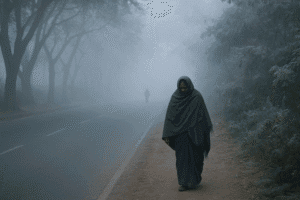
Karnataka’s Deep Freeze: North Grapples with an Early Cold Wave as Bengaluru Feels a Chill
The familiar, gentle winter cool that typically blankets Karnataka in late December has arrived with uncharacteristic sharpness and speed. This week, the state finds itself in the grip of a significant early cold spell, prompting official alerts and sending residents scrambling for their warmest woollens. While Bengaluru braces for a subtle shift, North Interior Karnataka is already shivering, with a pronounced cold wave set to tighten its grip over the next few days.
This isn’t just a slight dip in the mercury; it’s a stark weather event that reveals the diverse climatic personalities of a single state and has real-world consequences for millions.
The Official Alert: A Cold Wave Descends on the North
The Karnataka State Natural Disaster Monitoring Centre (KSNDMC), the state’s authoritative voice on weather phenomena, has issued a clear warning. From November 19 to 21, a cold wave, driven by strong, chilly northerly winds, is expected to sweep across North Interior Karnataka.
The districts on high alert are:
- Bidar
- Kalaburagi
- Vijayapura
- Bagalkote
- Belagavi
The use of the term “cold wave” is significant. It’s not merely “cold weather”; it signifies a rapid and substantial drop in temperature, well below the seasonal average, sustained over a period. For the residents of these regions, this translates to a direct impact on health, agriculture, and daily routines.
Beyond the Numbers: The Human Story of the Chill
While the data points are stark—Bidar at 9.5°C, Belagavi at 11.2°C—the true story of this cold wave is written in the lives of the people experiencing it.
Across the towns and villages of the Kalyana Karnataka region, life has adapted to the bite of the cold. Mornings, once bustling with early activity, now see a slower pace. The familiar sight of people huddled around bonfires, their hands outstretched towards the warmth, has become a common morning and evening ritual in many communities. This isn’t just for comfort; for daily wage laborers and those in unheated homes, it’s a necessary defense against the chill.
Local markets have seen a sudden surge in demand for winter wear. Shopkeepers have unpacked stocks of sweaters, shawls, and winter caps that usually see slower sales until late December. The humble tea stall, always a social hub, has transformed into a vital refuge. Near bus stands and railway stations, vendors are doing a roaring trade as people clutch steaming glasses of chai, seeking warmth from the inside out.
Why Is This Happening? The Science Behind the Shiver
The primary driver of this cold wave is a large-scale atmospheric pattern. During winter, a high-pressure system typically establishes itself over North India. This system acts like a giant funnel, pushing dense, cold continental air from the Himalayas southwards across the plains.
These winds, flowing unobstructed over the Deccan Plateau, are particularly potent in the northern districts of Karnataka, which have a more continental climate compared to the coastal or southern regions. The clear skies and dry air in these areas allow for rapid radiative cooling at night—the Earth’s heat escapes quickly into the atmosphere, causing temperatures to plummet.
“This is an early but not entirely unprecedented event,” the article might quote a hypothetical meteorologist. “The intensity is notable. The lack of cloud cover is acting like a blanket being pulled away, allowing all the daytime heat to escape rapidly. What we’re seeing in Bidar and Kalaburagi is a classic cold wave setup.”
A Tale of Two Karnatakas: The Stark North-South Divide
The current weather underscores the dramatic climatic divide within Karnataka. The northern districts, geographically contiguous with the colder interiors of Maharashtra and Telangana, bear the brunt of these continental winds. Their topography and distance from the moderating influence of the ocean make them vulnerable to such sharp temperature drops.
In contrast, South Interior Karnataka, including Bengaluru, is experiencing a much milder version of winter. The weather narrative here is less about a cold wave and more about the absence of rain.
As noted by weather bloggers like ‘Namma Karnataka Weather’, the Northeast Monsoon (NEM) remains concentrated over South Tamil Nadu. This has robbed regions like Bengaluru and surrounding areas of the typical late-year showers. The result is a different kind of weather: partly cloudy skies, strong winds, and a dry chill, rather than the damp, penetrating cold that rain can bring.
A low-pressure area near Southeast Sri Lanka is being watched, but for now, its influence on Karnataka is minimal. The forecast for Bengaluru hints at the possibility of scattered, light showers (3mm to 10mm), which would provide temporary relief from the dust and slightly moderate the daytime temperatures, but is unlikely to trigger a significant warming trend.
Health, Agriculture, and Official Advisories
The local administration in the affected districts has not taken this cold wave lightly. Urgent advisories have been issued, particularly targeting vulnerable populations: children, the elderly, and individuals with pre-existing respiratory conditions like asthma and bronchitis.
The recommended precautions are clear and critical:
- Layer Up: Wearing multiple layers of warm clothing is more effective than a single heavy garment.
- Limit Exposure: Minimize time outdoors during the coldest hours—late night and early morning.
- Secure Homes: Seal drafts from windows and doors to retain whatever heat is available indoors.
- Stay Informed: Pay attention to local forecasts and warnings from the KSNDMC.
Beyond public health, there is an undercurrent of concern for the agricultural sector. While not the primary focus of this alert, early winter chills can impact certain horticultural crops and winter vegetables (rabi crops). A prolonged cold spell could stunt growth or damage sensitive plants, a risk that farmers and agricultural scientists will be monitoring closely in the coming weeks.
Looking Ahead: Is This the Shape of Winter to Come?
The chilling question on many minds is whether this is the new normal. Officials from the Bidar Agriculture Science Centre have warned that temperatures could drop even further, potentially reaching as low as 10°C in December. This early cold wave may well be a precursor to a harsher-than-average winter for North Karnataka.
For Bengaluru, the change will be more nuanced. Residents can expect pleasant, sunny days but noticeably cooler mornings and evenings. The “Bengaluru chill” will be in the air—a dry, breezy cold that is a hallmark of the city’s winter, distinct from the raw, sharp cold of the north.
A State Prepared for a Chill
As Karnataka navigates this early winter blast, the situation highlights the importance of regional weather monitoring and localized preparedness. The KSNDMC’s timely alert has provided a crucial head start for administrations and citizens in the north to brace themselves.
From the bonfires of Kalaburagi to the windy evenings of Bengaluru, the state is experiencing a collective seasonal shift. While the north bundles up against a significant cold wave, the south reaches for a light sweater, a reminder of the vast and varied climate contained within a single state’s borders.
Winter Preparedness Guide: Beating the Chill Safely
- For Your Health: Increase intake of warm fluids like herbal teas and soups. A balanced diet helps generate body heat. Watch for signs of hypothermia in the elderly—confusion, slurred speech, and shivering.
- For Your Home: Use weather stripping on doors and windows. Let the sun in during the day to naturally warm your home. If using room heaters, ensure proper ventilation to prevent carbon monoxide buildup and keep them away from flammable materials.
- On the Road: Cold mornings often bring fog, reducing visibility. If traveling in northern districts, drive with headlights on low beam and maintain a safe distance from other vehicles.
You must be logged in to post a comment.