
India’s Wild March Weather: Heatwaves Scorch the West as Snow Blankets the Hills
India’s Wild March Weather: Heatwaves Scorch the West as Snow Blankets the Hills
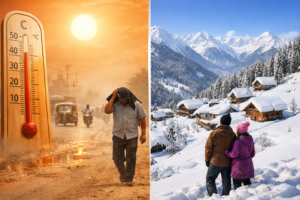
As the calendar flips to the second week of March 2026, India is experiencing a meteorological paradox. While the India Meteorological Department (IMD) sounds the alarm for severe heatwave conditions scorching parts of Gujarat and Madhya Pradesh, a completely different story is unfolding in the northern Himalayas, where rain and snow are set to sweep through the mountains.
This isn’t just a weather report; it’s a tale of two Indias. For the citizen in Ahmedabad or Bhopal, the coming days are about finding shade, staying hydrated, and bracing for the summer’s early, brutal hand. For someone in Shimla or Srinagar, it’s about digging out sweaters they thought they’d packed away and navigating slushy roads. Understanding this split-screen forecast is crucial not just for daily planning, but for grasping the larger, complex rhythms of the Indian subcontinent’s climate.
The Scorching Core: Understanding the Heatwave
The most urgent warning from the IMD is reserved for Western and Central India. This isn’t a typical warm spell; it’s a heatwave, and in some areas, a severe heatwave.
Where is the heat the worst?
- Saurashtra & Kutch (Gujarat): These coastal and semi-arid regions are on high alert for “severe heatwave” conditions. The combination of high temperatures and geographical location can make the heat particularly oppressive here.
- Southwest Madhya Pradesh: Landlocked and far from any moderating sea breeze, this region is also bracing for severe heatwave conditions. Cities like Indore, Bhopal, and surrounding districts need to be particularly vigilant.
- Gujarat Region & Vidarbha: Isolated pockets in mainland Gujarat and the Vidarbha region of Maharashtra are expected to experience heatwave conditions, adding to the widespread discomfort.
What does a “heatwave” actually mean for you? To the average person, a high temperature is just a number. But a heatwave is defined by its departure from the normal. The IMD declares a heatwave when the maximum temperature of a station reaches at least 40°C in the plains or when it’s 4.5°C to 6.4°C above normal. A “severe” heatwave is declared when the departure is more than 6.4°C.
For residents, this translates to tangible challenges:
- Health Risks: The most immediate danger is to human health. Prolonged exposure can lead to heat exhaustion and life-threatening heatstroke. Vulnerable populations—the elderly, children, outdoor workers (farmers, construction workers, traffic police), and those with pre-existing illnesses—are at the highest risk.
- Strain on Infrastructure: Power grids groan under the weight of thousands of air conditioners and coolers running simultaneously, leading to outages. Water shortages become acute as demand skyrockets and reservoirs dry up.
- Agriculture: For farmers in these regions, an early and intense heatwave can be devastating. It can wither standing crops like wheat and pulses if they are in the grain-filling stage, and drastically increase the water requirement for irrigation, depleting groundwater resources.
The Northern Reprieve: Snow and Rain in the Hills
While the plains swelter, a western disturbance is poised to bring dramatic relief to the Himalayan region. This is a classic example of India’s diverse weather systems.
What’s in store for the mountains?
- Jammu, Kashmir & Ladakh: The union territories are bracing for “fairly widespread light to moderate rainfall and snowfall.” This means the famous resorts of Gulmarg and Pahalgam could see a fresh coat of snow, delighting tourists but potentially disrupting road connectivity, including the strategic Srinagar-Leh highway.
- Himachal Pradesh: Similar conditions are predicted, with higher reaches like Manali, Rohtang Pass, and Kinnaur expecting significant snowfall. This could lead to temporary road closures, so travelers are advised to check local conditions before heading out.
- Uttarakhand: Starting with light rain or snow, the state will see an intensification of weather activity later in the week. The Char Dham pilgrimage routes, still recovering from past disasters, will need to be monitored for landslides or fresh snow.
The Plains Get a Sprinkle The influence of this western disturbance won’t be limited to the hills. Its extended reach will bring a welcome, if brief, respite to the northern plains. Over the next few days, parts of Punjab, Haryana, Delhi-NCR, West Uttar Pradesh, and North Rajasthan can expect:
- Light rain and thundershowers.
- Gusty winds, which will provide temporary relief from the rising temperatures but could also cause minor damage to weak structures and uproot trees.
The Science Behind the Split: Why is This Happening?
This contrasting weather scenario is a classic interplay of two major meteorological systems.
- The Dominant Anti-Cyclone: Over parts of Western and Central India, a high-pressure system (anti-cyclone) is likely parked. This system leads to clear skies, sinking air, and intense solar radiation heating the land surface. Combined with dry northwesterly winds, it creates the perfect recipe for a heatwave.
- The Western Disturbance: This is a storm system originating in the Mediterranean Sea that travels eastwards, bringing moisture-laden winds towards the Indian subcontinent. When this disturbance collides with the Himalayan barrier, it results in widespread precipitation. The stronger the disturbance, the further its influence can extend into the plains, triggering thunderstorms and dust storms.
A Region-by-Region Guide for the Coming Days
To help you navigate the week ahead, here’s a simplified breakdown of what to expect and how to prepare.
For Residents of Gujarat and Madhya Pradesh (The Heat Zone)
- Your Reality: Maximum temperatures will soar significantly above normal. The heat will be most intense between 12 PM and 4 PM.
- Action Plan:
- Stay Indoors: Avoid stepping out during peak afternoon hours.
- Hydrate Constantly: Drink water, even if you don’t feel thirsty. Oral Rehydration Solution (ORS), lassi, and fruit juices (especially watermelon) are excellent.
- Protect Yourself: Wear light-colored, loose, cotton clothing. Use sunglasses, an umbrella, and a cap or scarf when outdoors.
- Check on Neighbors: If you have elderly or unwell neighbors living alone, check in on them to ensure they are coping.
- Recognize Warning Signs: Be aware of symptoms of heat-related illness: dizziness, headache, nausea, confusion, and fainting. Seek medical help immediately if someone shows signs of heatstroke (hot, dry skin and rapid pulse).
For Residents of North India (The Thunderstorm Zone)
- Your Reality: A drop in maximum temperatures with the possibility of gusty winds, thunderstorms, and light rain.
- Action Plan:
- Enjoy the Break: This is a brief window of pleasant weather before the summer heat truly sets in. Open your windows and let the cool air in.
- Be Weather-Ready: If you have travel plans by road or air, stay updated on forecasts. Gusty winds can sometimes cause flight delays or disrupt local train services.
- Secure Loose Items: If you live in an area prone to dust storms, bring in or secure outdoor furniture, plant pots, and other loose objects.
For Travelers and Residents in the Himalayas (The Snow Zone)
- Your Reality: Moderate to heavy rainfall and snowfall are likely, especially in higher altitudes.
- Action Plan:
- Travel Smart: If you are planning a trip to the mountains, check the road status from local authorities. Be prepared for closures and carry chains for your vehicle tires if driving.
- Pack Accordingly: Don’t be fooled by the date. Pack heavy woolens, waterproof jackets, and sturdy boots. The weather will feel distinctly wintry.
- Enjoy the Views: For those already there, this is a magical time to witness the mountains in their pristine, snow-clad glory. Just stay safe and heed local advisories.
The Bigger Picture: A Glimpse into the Summer Ahead
This early March heatwave is more than just a weekly forecast; it could be a precursor to the summer that lies ahead. While it’s too early to make definitive predictions, such early heatwaves often point to a hotter-than-normal summer season. For policymakers, this is a reminder to ensure that heat action plans are in place in vulnerable cities. This includes opening cooling centers, ensuring uninterrupted power and water supply, and adjusting working hours for outdoor laborers.
For citizens, it’s a call to action. Climate change is making extreme weather events—both heatwaves and intense rainfall—more frequent and severe. This week’s forecast is a microcosm of a larger global challenge. Adapting to this “new normal” requires awareness, preparation, and a collective effort to mitigate the factors driving these extremes.
As the sun beats down on the plains of Gujarat and the snowflakes fall on the peaks of Himachal, one thing is clear: March in India is anything but predictable. Stay informed, stay safe, and respect the power of the elements.
You must be logged in to post a comment.