
India’s Luxury Awakening: How Global Brands Are Capturing a Billion-Dollar Mindset Shift
India is undergoing a transformative luxury revolution, driven by a young, confident generation that is shifting the market from traditional, high-value purchases stored for special occasions toward modern, everyday personal expression. With the luxury goods market projected to reach $12.1 billion in 2025 and grow at a staggering 74% CAGR, global brands are rapidly entering not just the major metros but also tier-2 and tier-3 cities through digital platforms. Success hinges on a hybrid digital-physical strategy and authentic localization that respects cultural depth while catering to new aesthetic desires for contemporary, minimalist designs. This premiumization mindset extends beyond jewelry into everyday categories like FMCG, where rural India now drives over 40% of super-premium sales, signaling a profound, nationwide shift in consumption where quality, identity, and experience are the new drivers of value.
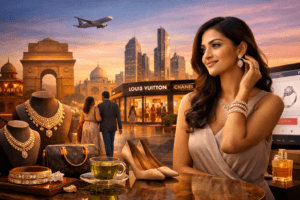
India’s Luxury Awakening: How Global Brands Are Capturing a Billion-Dollar Mindset Shift
From Locker to Lifestyle: The New Indian Luxury Consumer
India is undergoing a profound transformation that’s redefining what luxury means to its 1.4 billion people. Once dominated by traditional, high-value purchases stored away for special occasions, the market is now driven by a young, confident generation for whom luxury is a daily expression of identity. The jewelry market, valued at over $90 billion in 2024, is emblematic of this shift, projected to grow to $150 billion by 2033. Yet, the real story is not just in the size but in the seismic change in consumer behavior.
The drivers are clear: rising disposable incomes, rapid urbanization, and deep cultural significance for gold and gems. However, the modern Indian consumer is no longer shopping out of obligation for weddings or festivals alone. They are asking, “Does this reflect me? Will I wear it often?”. This has fueled a surge in demand for lightweight, contemporary gold, diamond minimalism, and everyday wearable pieces that move seamlessly from boardrooms to brunches. The very definition of value is shifting from “price per gram” to “value per use” and emotional resonance.
A Global Stage: Why International Brands Are Betting Big on India
India’s luxury sector is now a magnet for global brands. Where mature Western markets are stagnating, India’s luxury goods market is projected to reach $12.1 billion in 2025, with a staggering compound annual growth rate (CAGR) of 74% over the forecast period. This explosive potential has triggered a land rush.
- Fashion and accessories: From Louis Vuitton opening its largest-ever Indian store to Aquazzura and Golden Goose launching flagships, the commitment is tangible. Brands like Chanel are expanding beauty networks, with six dedicated stores and airport outlets.
- Jewelry’s focused entry: Parisian fine-jewellery house Messika opened its first standalone boutique in New Delhi, while U.S.-based gemstone brand Angara entered with an online-first strategy.
- Beyond the metros: This expansion isn’t confined to Mumbai and Delhi. Global brands are partnering with e-commerce giants like Myntra, Nykaa, and Tata Cliq to reach aspirational consumers in tier-2 and tier-3 cities with less reliance on costly physical retail.
The appeal is multifaceted: a booming wedding industry valued at nearly $130 billion, a rapidly growing affluent population, and a young, digitally-savvy demographic. As one luxury consultant noted, brands that were once plateauing in India are now revitalizing their presence, recognizing it as a market they can no longer afford to ignore.
The Strategic Pillars of Success in the New Indian Market
For global brands, success hinges on a nuanced strategy that respects India’s unique cultural fabric while embracing its modern aspirations.
- The Digital-Physical Hybrid: While e-commerce is crucial for discovery and reach—with tools like virtual try-ons becoming standard—the in-store experience remains paramount. 52% of high-income shoppers now prefer shopping in-store for fashion, up from 36% in 2023, seeking tactile, immersive experiences. The winning model is omnichannel: using digital platforms for inspiration and convenience, and physical stores as experiential brand destinations.
- Authentic Localization, Not Tokenism: Successful brands are moving beyond superficial “Diwali edits.” They are embedding themselves culturally through collaborations with local artisans and designers, like Tod’s partnership with Indian couturier Rahul Mishra, which was launched globally. The key is sincerity. As industry experts advise, brands must “anticipate the needs of the market in a way that is true to the essence and values of the brand”.
- Navigating the Gold-Diamond Dynamic: Gold, making up 80-85% of the jewelry market, remains the emotional and financial bedrock. However, there’s a strategic pivot towards studded and diamond jewelry, which offers higher margins and aligns with contemporary aesthetics. Exports of studded gold jewelry grew 6.68% to $4.40 billion in a recent period, indicating strong manufacturing and demand fundamentals. Brands must master both: offering innovative gold designs while introducing diamond pieces as symbols of modern luxury.
- The Premiumization Wave Across Categories: This luxury mindset extends far beyond jewelry. In Fast-Moving Consumer Goods (FMCG), premium products now account for 15% of volumes. Crucially, rural India drives over 40% of super-premium sales, debunking the myth that aspiration is an urban phenomenon. From Ayurvedic-infused wellness teas to sustainably sourced personal care, Indian consumers are trading up for quality, health benefits, and brand narrative.
Beyond Jewelry: The Rise of Premium Everyday Indulgence
The jewelry story is part of a broader “premiumization” narrative reshaping Indian consumption. A prime example is the humble cup of tea. Once a commoditized daily drink, tea is being reimagined. Driven by health and wellness trends, consumers are turning to green teas, herbal infusions, and functional blends that offer benefits like immunity support or stress relief.
This shift is structural. As a tea industry expert with decades of experience observes, the real growth and value are moving towards “premium, functional, and responsibly produced” products. Consumers, especially in urban areas, show a growing willingness to pay for organic, single-estate teas that promise authenticity and sustainability. This mirrors the luxury jewelry demand for transparency and ethical sourcing, proving that the new Indian consumer applies a similar value lens across price points.
The Road Ahead: Challenges and Opportunities
The path is promising but requires navigating distinct challenges:
- Regulatory Landscape: Foreign brands often need local partners or joint ventures, adding complexity.
- Market Diversity: India’s vast regional, cultural, and linguistic diversity means a one-size-fits-all strategy will fail. Preferences vary dramatically from north to south, urban to rural.
- Infrastructure: Supply chain and logistics can be hurdles for ensuring consistent, timely delivery and service.
The opportunities, however, are transformative. The affluent segment in India is expected to grow by 129% by 2030. Future growth will be powered by Gen Z and Gen Alpha, who will comprise 56% of consumers by 2040. These digital natives demand tech-savvy engagement, personalized communication, and brands that align with their values on sustainability and authenticity.
Conclusion
India’s luxury and premium markets are at a thrilling inflection point. This is not merely a story of economic growth but of a profound cultural and psychological shift. The Indian consumer is blending deep-rooted heritage with global sophistication, emotional weight with everyday practicality, and investment sensibility with personal expression.
For global brands, the message is clear: India is no longer a future frontier but a present-day powerhouse. Success belongs to those who do not just enter the market but embrace its contradictions, invest in authentic relationships, and build brands that respect India’s past while celebrating its dynamic future. The era of the intuitive, confident Indian luxury consumer has arrived, and they are ready to be seen, heard, and adorned on their own terms.
You must be logged in to post a comment.