
India’s Deep Freeze: A Medical Guide to Surviving the Cold Wave and Protecting Your Health
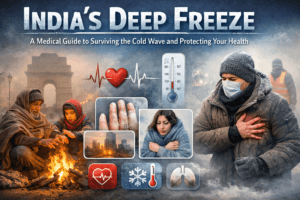
India’s Deep Freeze: A Medical Guide to Surviving the Cold Wave and Protecting Your Health
The recent plunge in temperatures across Northern India is more than just a weather headline—it’s a significant public health emergency. With Delhi recording its coldest day in two years at 4.2°C and severe cold wave alerts across multiple states, the biting cold poses a severe, multi-system threat to the human body. This guide delves beyond the chill to explain the science of cold-weather health risks and provides actionable strategies for protection, especially for the most vulnerable.
Understanding the Chill: What a “Cold Wave” Really Means
When the India Meteorological Department (IMD) issues a cold wave alert, it signals a specific and dangerous condition. In India’s plains, a cold wave is declared when the minimum temperature dips below 10°C and is at least 4.5 degrees below the seasonal norm. A “severe cold wave” is an even more critical alert, triggered by a larger departure from normal or exceptionally low readings.
A critical concept during this time is the “wind chill factor” or “feels-like” temperature. Strong winter winds strip heat from the body at a much faster rate, making the environment feel significantly colder than the mercury shows, dramatically increasing the risk of cold-induced illnesses. Furthermore, winter often brings temperature inversions, where a layer of warm air traps cold air and pollutants near the ground. This phenomenon not only intensifies the cold but also combines with vehicle and industrial emissions to create smog—a toxic mix of fog and pollution that severely compromises respiratory health.
How the Cold Wave Attacks Your Body: A System-by-System Breakdown
Extreme cold is a profound physiological stressor. The body’s primary reaction is vasoconstriction—the narrowing of blood vessels in the skin and extremities to conserve heat for vital core organs like the heart and brain. While life-saving in the short term, this mechanism sets off a chain reaction of health risks.
- Cardiovascular System Under Siege: Vasoconstriction causes a sharp rise in blood pressure and forces the heart to pump harder and faster. This increased workload, combined with slightly thickened blood that is more prone to clotting, creates a perfect storm for heart attacks and strokes. Dr. Sanjeeva Kumar Gupta, a cardiologist, notes that cold weather also triggers stress hormones like adrenaline, which further elevate heart rate and blood pressure.
- Respiratory System Vulnerabilities: Icy, dry air irritates and inflames the airways. It dries out the protective mucous lining, making the lungs more susceptible to infections like influenza and pneumonia. For those with pre-existing conditions like asthma or COPD, this can lead to severe flare-ups, wheezing, and acute breathlessness.
- The Silent Threat: Hypothermia: This occurs when the body loses heat faster than it can produce it, causing a dangerous drop in core temperature below 35°C. It begins with violent shivering but progresses to confusion, slurred speech, and loss of coordination as the brain and organs are deprived of warmth. Without prompt intervention, it can lead to organ failure and death.
- Localized Injury: Frostbite: In extreme cold, exposed skin can freeze in minutes. Frostbite typically affects fingers, toes, ears, and the nose, starting with numbness and a white or pale appearance as ice crystals form in tissues, which can lead to permanent damage.
The following table summarizes these key health risks and their specific warning signs:
| Health Risk | Primary Physiological Effect | Key Symptoms & Warning Signs |
| Cardiovascular Strain | Vasoconstriction raises BP, increases heart workload, and thickens blood. | Chest pain, shortness of breath, palpitations, sudden fatigue. |
| Hypothermia | Core body temperature falls below 35°C, impairing organ function. | Uncontrollable shivering, confusion, slurred speech, drowsiness. |
| Respiratory Issues | Cold, dry air irritates airways and thickens protective mucus. | Worsening cough, wheezing, shortness of breath, chest tightness. |
| Frostbite | Freezing of skin and underlying tissues in extremities. | Numbness, white or grayish-yellow skin, skin that feels firm or waxy. |
Who is Most Vulnerable? Identifying High-Risk Groups
While the cold spares no one, certain groups face disproportionately higher dangers and require extra vigilance:
- The Elderly and Young Children: Their bodies are less efficient at regulating temperature.
- People with Chronic Diseases: This includes individuals with heart disease, hypertension, respiratory conditions (COPD, asthma), diabetes, or kidney disease.
- Immunocompromised Individuals: Those undergoing cancer therapy or on long-term steroids.
- Outdoor Workers and the Homeless: They face prolonged, unavoidable exposure.
Tragically, the data underscores the severity: 3,639 people died from exposure to cold waves in India between 2019 and 2023, averaging about 728 deaths per year. A Lancet study cited that states like Bihar and Uttar Pradesh bear a particularly massive burden.
Your Action Plan: Practical Strategies for Prevention and Protection
Protecting yourself requires a proactive, layered approach:
- Intelligent Layering: Wear multiple loose-fitting layers of warm clothing. The inner layer should manage moisture (thermal wear), the middle layer should insulate (wool or fleece), and the outer layer should shield from wind and rain.
- Hydrate Strategically: Dehydration is a hidden winter risk. Drink plenty of warm fluids like water, soups, and herbal teas. Avoid excessive caffeine and alcohol, as they can lead to fluid loss.
- Diet for Warmth and Balance: Reduce intake of salty, processed foods that can disrupt electrolyte balance. Opt for warm, home-cooked meals and increase consumption of potassium-rich fruits and vegetables like bananas, oranges, and spinach to support kidney function and blood pressure regulation.
- Home Safety: Ensure safe heating. Keep rooms adequately warm but well-ventilated to prevent indoor pollution. Use humidifiers to combat dry air from heaters.
- Activity and Awareness: Limit strenuous outdoor activity, especially in the early morning and late evening. If you must go out, cover every part of your body. Be aware of the symptoms of hypothermia and frostbite in yourself and others.
Beyond Individual Action: The Role of Community and Policy
Combating a cold wave’s effects requires a collective response. Community check-ins on elderly neighbors, shelters for the homeless, and provisions for outdoor workers are vital. Public health advisories promoting influenza and pneumonia vaccinations are crucial, as these infections see a seasonal spike and can be fatal when compounded by cold stress.
Long-term, the increasing frequency of such extreme weather events, as noted in long-term government data, calls for robust climate adaptation strategies and strengthened public health infrastructure to protect the most vulnerable populations.
Conclusion: Respect the Cold, Protect Life
The ongoing cold wave is a stark reminder that nature’s extremes demand respect and preparedness. By understanding the profound ways cold affects our cardiovascular, respiratory, and overall systemic health, we can move beyond seeing it as mere discomfort. It is a serious medical threat. By adopting informed precautions, watching over those at highest risk, and supporting broader community and policy measures, we can weather this freeze with resilience and safeguard public health.
You must be logged in to post a comment.