
India Braces for Scorching Heat: IMD Predicts 3-5°C Temperature Surge Across Northwest Region
The India Meteorological Department (IMD) has issued a warning that maximum temperatures across Northwest India are set to rise gradually by 3 to 5°C over the next seven days, signaling the onset of intense summer conditions with cities like Delhi and Jaipur likely nearing the 40°C mark. This heat surge, driven by clear skies and the absence of rain-bearing systems, will be accompanied by a 2-3°C increase in Central and East India over four days, while only isolated light rain or snow is expected in the Himalayan regions of Jammu-Kashmir, Himachal Pradesh, and Uttarakhand. The sharp temperature spike poses significant risks to human health—particularly for outdoor workers—while also threatening to strain power grids due to increased cooling demand, exacerbate water scarcity, and impact agriculture and livestock. In response, citizens are advised to stay hydrated, avoid peak afternoon sun, and check on vulnerable neighbors, as this event underscores a broader pattern of more frequent and intense heat waves linked to climate change.
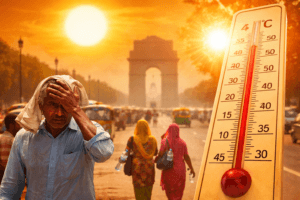
India Braces for Scorching Heat: IMD Predicts 3-5°C Temperature Surge Across Northwest Region
As the last vestiges of spring fade, India is set to experience a significant escalation in summer heat. The India Meteorological Department (IMD) has issued a concerning forecast: a gradual but sharp rise in maximum temperatures by 3 to 5°C over Northwest India over the next seven days. This isn’t just a minor fluctuation; it’s a weather pattern shift that promises to test the endurance of millions and reshape daily life from the plains of Punjab to the national capital.
While the official bulletin mentions a rise of 2-3°C, ground-level models and historical trends suggest that isolated pockets could see the mercury climb by as much as 5°C by the middle of next week. This article delves deep into what this forecast means for residents, farmers, and policymakers, offering not just the data, but the human context behind the numbers.
The Forecast: A Detailed Breakdown
The IMD’s latest bulletin paints a clear picture of the impending heatwave-like conditions. For the vast expanse of Northwest India—comprising states like Punjab, Haryana, Rajasthan, Uttar Pradesh, and the Union Territory of Jammu & Kashmir—the next week marks a definitive shift towards peak summer.
Northwest India: The Heat Core Starting today, maximum temperatures are expected to begin their upward climb. By the end of the seven-day period, daytime highs are likely to settle 3 to 5°C above normal. For cities like Delhi, Jaipur, and Chandigarh, this could translate to daytime temperatures touching or exceeding the 40°C mark much earlier than the typical peak in May and June.
Central and East India: Following Suit The heat isn’t confined to the northwest. The IMD has also predicted a gradual rise of 2-3°C over Central and East India over the next four days. States like Madhya Pradesh, Chhattisgarh, Odisha, and Vidarbha will feel the heat, leading to uncomfortable afternoons and putting pressure on power grids as cooling appliances are switched on en masse.
Why Is This Happening? The Meteorological Mechanics
To understand the “why” behind this forecast, we must look at the atmospheric setup over the subcontinent. Several factors are converging to create this heat pot:
- Clear Skies and Intense Solar Radiation: With the withdrawal of any significant western disturbances affecting the northern hills, the skies over Northwest India are expected to remain predominantly clear. This allows for unimpeded solar insolation—the amount of solar radiation received by the ground—which heats the landmass rapidly throughout the day.
- Absence of Rain-Bearing Systems: The forecast specifically notes only isolated light rainfall or snow over the higher reaches of Jammu-Kashmir, Himachal Pradesh, and Uttarakhand on Friday and Saturday. For the plains, there is no significant weather system to provide relief. This lack of moisture and cloud cover means the heat builds consistently day after day.
- Sublimation of Snowfall in the Hills: Interestingly, the light snow and rain predicted for the mountains won’t cool the plains. Instead, the process of sublimation (snow turning directly into vapor) and evaporation in the hills can, on a large scale, contribute to changes in local wind patterns, but it is insufficient to break the heat wave spell in the lowlands.
Beyond the Thermometer: The Human Impact of a 5°C Rise
A 3 to 5-degree rise is not just a number on a weather app; it has tangible, often severe, consequences for the way people live and work.
- The Health Factor: Heat Stress and ExhaustionThe human body maintains its core temperature through sweating. However, when ambient temperatures rise sharply, the body has to work harder. A sudden spike, like the one forecasted, gives people less time to acclimatize. This increases the risk of heat cramps, heat exhaustion, and in extreme cases, heatstroke.
- Vulnerable Populations: The most at-risk are the elderly, children, and those working outdoors—construction laborers, farmers, traffic police, and street vendors. For them, the afternoons over the next week could become a health hazard.
- Water and Energy CrunchAs temperatures climb, so does the demand for water and electricity.
- Power Grids: The combination of fans, coolers, and air conditioners running at full capacity leads to peak power demand. In many parts of North India, this can result in unscheduled power cuts, trapping residents in sweltering homes without relief.
- Water Scarcity: The heat accelerates evaporation, drying up ponds and reducing water levels in rivers and reservoirs. This exacerbates the perennial summer water crisis, forcing residents in many suburbs and villages to rely on water tankers.
- Impact on AgricultureWhile the Rabi (winter) crop is largely harvested by now, the heat has a direct impact on storage and sowing for the Zaid (summer) season.
- Crop Stress: For farmers growing summer vegetables or fruits like mangoes, a sudden heat spike can cause fruit drop or sunburn, reducing market quality.
- Livestock: Cattle and poultry are highly susceptible to heat stress. Farmers will need to ensure adequate shelter and water for their animals to prevent a dip in milk production or even loss of life.
Regional Weather Nuggets: Rain and Snow in the Hills
Amidst the overarching narrative of heat, the IMD offers a slight variation for the mountainous regions. Isolated light rainfall or snowfall is very likely over Jammu-Kashmir, Himachal Pradesh, and Uttarakhand on April 25 and 26 (Friday and Saturday).
While this will provide a temporary respite for tourists and residents in hill stations like Srinagar, Manali, or Mussoorie, it is expected to be light and isolated. It will not be enough to generate a cold wave that spills into the plains. Instead, it serves as a reminder of the diverse climatic conditions India experiences simultaneously.
Simultaneously, over Chhattisgarh, isolated to scattered light rainfall accompanied by thunderstorms and lightning is expected to last until tomorrow. This offers a brief window of relief for the state before the temperatures begin their northward climb later in the week.
Practical Tips: How to Survive the Heat Wave
As the mercury rises, preparation is key. Here are actionable tips to help you and your family stay safe during this hot spell:
- Hydrate Proactively: Don’t wait until you feel thirsty. Drink water regularly, even if you are indoors. Include oral rehydration solutions (ORS), lemon water, buttermilk, and fruit juices (without added sugar) to replenish electrolytes.
- Dress Smart: Wear lightweight, light-colored, and loose-fitting cotton clothing. This allows your skin to breathe and sweat to evaporate, cooling you down naturally.
- Time Your Outings: Avoid stepping out during the peak heat hours between 12:00 PM and 3:00 PM. If you must go out, cover your head with a cloth, hat, or umbrella.
- Protect Your Home: Keep curtains and blinds closed during the day to block out the sun. If the night air is cool, open windows to allow cross-ventilation.
- Look Out for Others: Check on elderly neighbors or relatives living alone to ensure they are coping. Never leave children or pets in parked vehicles, even for a few minutes.
- Dietary Adjustments: Eat small meals and avoid high-protein and spicy foods, which can increase metabolic heat. Incorporate cooling foods like cucumbers (kheera), watermelon, and mint into your diet.
The Long View: Climate Change and Recurring Heat
While this specific forecast is a short-term weather event, it fits into a larger, worrying pattern. Meteorological data over the past decade shows that extreme temperature events in India are becoming more frequent, more intense, and are starting earlier in the year.
The gradual rise in maximum temperatures by 3-5°C over a vast region like Northwest India is a stark reminder of the vulnerabilities posed by a changing climate. Urban planners are now being forced to rethink city designs—moving away from concrete heat traps to incorporating more green spaces and water bodies. For the common citizen, it underscores the need for sustainable living practices to mitigate the long-term impacts of global warming.
Conclusion
The IMD’s forecast for the next seven days is a call to action. It signals the arrival of the fierce North Indian summer in full force. While the beauty of a clear, sunny day is undeniable, the risks posed by a 5-degree temperature surge are real and present.
From the farmer worrying about his yield to the parent ensuring their child stays hydrated on the way to school, this heat will touch every aspect of life. By staying informed through official bulletins, taking proactive safety measures, and understanding the broader meteorological context, residents of Northwest, Central, and East India can navigate this hot spell safely.
As we move through the next week, the advice is simple: respect the sun, look out for one another, and stay cool. The heat may be relentless, but with awareness and preparation, its impact can be significantly mitigated.
You must be logged in to post a comment.