
From Damp to Brisk: Maharashtra’s Winter Transition Unpacks a Tale of Two Seasons
Based on the IMD’s announcement, Maharashtra is experiencing a significant seasonal shift as the monsoon has fully withdrawn, making way for a prevailing cold wave marked by clear skies, dry conditions, and a sharp drop in nighttime temperatures. This transition brings a distinct chill to mornings and evenings across the state, with the most pronounced cold expected in the interior regions of Marathwada and Vidarbha, while coastal areas like Mumbai will experience a more moderate cooling.
The change impacts daily life and agriculture, ending the Kharif season and beginning the Rabi sowing window, while also prompting health advisories for residents to take precautions against the cooling weather.
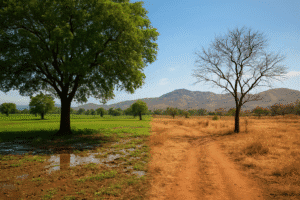
From Damp to Brisk: Maharashtra’s Winter Transition Unpacks a Tale of Two Seasons
The familiar drumming of late monsoon rains on rooftops has finally ceased across Maharashtra. In its place, a new, quieter season is asserting itself, marked by a sharp, crystalline light and a distinct chill that descows as the sun dips below the horizon. The Indian Meteorological Department (IMD) has officially declared the complete withdrawal of the monsoon, signaling not just a change in weather, but a profound shift in the daily rhythm of life for millions. The state is now firmly in the grip of a transitioning climate, trading the humid, languid days of October for the crisp, invigorating embrace of an early winter.
This isn’t merely a switch from “wet” to “dry.” It’s a complex atmospheric handover. The rain clouds that have dominated the subcontinent for months have retreated, making way for dominant high-pressure systems that usher in dry, continental winds from the north and northwest. These winds, devoid of moisture, allow heat to escape rapidly into the clear night sky, leading to a significant and rapid drop in minimum temperatures—the phenomenon we commonly, and now aptly, refer to as the onset of a cold wave.
A Regional Breakdown: From Coastal Balm to Inland Chill
While the entire state is experiencing this shift, the character of winter varies dramatically from the Konkan coastline to the interior plains of Vidarbha. The IMD’s forecast paints a vivid picture of this regional tapestry.
- The Konkan Coast (Mumbai, Thane, Palghar): For Mumbaikars, the shift is subtle but perceptible. The oppressive humidity has broken, replaced by a gentle, balmy breeze. While daytime highs of 31°C still feel warm, the nights are becoming pleasant, dipping to around 22°C. It’s a gentle winter, more a relief from mugginess than a call for heavy woollens, but the characteristic “cold” early morning by the sea is beginning to make its presence felt.
- Western Maharashtra (Pune, Kolhapur, Satara): This region, particularly Pune, is the quintessential poster child for Maharashtra’s perfect winter. The forecast of 31°C by day and 18°C by night in Pune is deceptive. The real story is in the experience: sunny, golden afternoons perfect for outdoor activities, followed by evenings that demand a light jacket or a warm shawl. The cool, dry air is a welcome change, making this the most anticipated season for everything from street-side chai to late-night drives.
- Marathwada (Chhatrapati Sambhajinagar, Latur, Nanded): Here, the continental climate influence is stark. The clear skies and dry air lead to intense radiative cooling at night. A minimum of 13°C in Chhatrapati Sambhajinagar is just the beginning; these temperatures are set to plummet further, often dipping into single digits in the weeks to come. This is where the term “cold wave” first finds its true meaning in the state, with thick misty mornings and a biting chill that defines the winter experience.
- Vidarbha (Nagpur, Amravati, Chandrapur): Similar to Marathwada but often with slightly higher humidity from its forest cover, Vidarbha experiences a pronounced winter. Nagpur’s forecast of 30°C/16°C signifies a wide diurnal range. The nights are genuinely cold, and the region is known for its dense, white morning fog that can disrupt travel and create picturesque, frost-touched landscapes in the surrounding countryside.
Beyond the Forecast: The Human and Cultural Impact of the Cold
A weather report tells us the temperature, but it doesn’t capture the way a season change rewires our daily lives. The arrival of winter in Maharashtra is a cultural event in itself.
- The Agricultural Pivot: For the state’s farmers, the end of the Kharif season (monsoon crops) and the onset of winter marks the beginning of the Rabi season. The dry weather is crucial for sowing crops like wheat, gram, and sorghum. The cold nights, while a health concern, are beneficial for the vernalization of many of these crops, a process where exposure to cold temperatures stimulates flowering. The IMD’s clear forecast provides a critical window for planning and sowing.
- A Shift in Social Rhythms: The vibrant, outdoor street life of the day gives way to cozy, indoor gatherings in the evening. Restaurant terraces empty out, while the interiors fill up. The humble bonfire, or aangithi, becomes a social hub in villages and small towns. Consumption patterns change—there’s a surge in the sale of hot beverages, soups, and seasonal delicacies like gajar ka halwa (carrot pudding) and gur (jaggery).
- Health: A Double-Edged Sword: While the cool weather is a relief from the heat and a deterrent to many mosquitoes, it brings its own health challenges. The IMD’s advisory to take precautions is crucial. The dry, cold air can exacerbate respiratory issues like asthma and bronchitis. The sudden temperature drop makes the population, especially the elderly and children, more susceptible to colds, flu, and joint pain. This is a time for preventative healthcare—staying warm, eating nourishing foods, and staying hydrated despite the lack of perspiration.
Proactive Preparations for the Plummeting Mercury
Rather than just a warning, this seasonal shift is a call to action. Here’s how Maharashtrians can intelligently adapt:
- Layer Up Smartly: The key to comfort is layering. A light jacket or sweater for the evenings and early mornings is essential, especially for two-wheeler commuters who bear the brunt of the wind chill.
- Home Readiness: It’s time to check and rotate winter clothing, ensuring blankets and quilts are sun-dried. Sealing drafts from windows and doors can make a significant difference in retaining warmth indoors at night.
- Dietary Tweaks: Embrace the season’s produce. Include nuts, jaggery, and sesame seeds in your diet for internal warmth. Warm, cooked meals and herbal teas like ginger-tulsi (holy basil) are far more beneficial than cold snacks and beverages.
- Skin and Health Care: The cold, dry air can be harsh on the skin. Moisturizing becomes non-negotiable. For those with pre-existing respiratory conditions, it’s wise to consult a doctor for a seasonal management plan and avoid early morning exposure to cold air.
The Bigger Picture: A Harbinger of Change?
While this annual transition is expected, its specific character—the timing, intensity, and duration of the cold wave—is increasingly viewed through the lens of a changing global climate. Scientists are closely monitoring whether these patterns are becoming more erratic or intense. The clear, dry conditions, while pleasant, can also contribute to rising pollution levels in urban centers like Mumbai and Pune, as cold air acts as a lid, trapping particulate matter.
The departure of the monsoon and the firm grip of the cold wave is more than a meteorological update. It is a narrative of transformation—of landscapes, livelihoods, and lifestyles. It’s a reminder of our deep, intrinsic connection to the rhythms of the natural world. As Maharashtra bundles up for the season ahead, the message is clear: winter is not just coming; it has gracefully, and decisively, arrived.
You must be logged in to post a comment.