
Delhi-NCR’s Frosty New Year: Unpacking the Rare Cold, Impending Storms, and the Human Stories Behind the Headlines
Delhi-NCR ushered in 2026 with a compound weather crisis, marked by its coldest December day in six years as temperatures plummeted to 14.2°C, shrouded under persistent “very poor” air quality (AQI 382) fueled by winter inversion and fog. In an atypical twist, the region braced for winter thunderstorms, triggered by moist easterlies clashing with cold northwestern air, promising rain but also a wet, bitter chill. This convergence of extremes had tangible consequences, grounding flights and causing major travel disruptions as airlines issued fog-related advisories, collectively painting a stark portrait of urban vulnerability where intense cold, hazardous pollution, and unseasonal storms intersect, testing infrastructure and public resilience against the growing volatility of urban climate patterns.
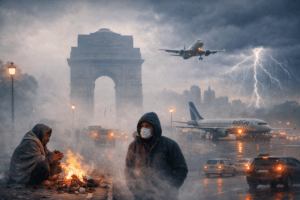
Delhi-NCR’s Frosty New Year: Unpacking the Rare Cold, Impending Storms, and the Human Stories Behind the Headlines
Introduction: A Biting Start to 2026
As the world celebrated the dawn of 2026, Delhi-NCR residents awoke to a familiar, yet intensified, winter adversary: a dense, pollutant-laden fog shrouding the city in a cold, gray blanket. But this was no ordinary January morning. The region was grappling with a multi-faceted weather crisis—record-breaking cold, dangerously poor air quality, and the looming threat of thunderstorms—painting a complex picture of urban climate vulnerability. This confluence of events isn’t just a series of isolated weather bulletins; it’s a stark narrative of how extreme weather, pollution, and infrastructure strain intersect in one of the world’s most populous megacities.
Section 1: The Deep Freeze – Contextualizing the Coldest Day Since 2019
The headline was jarring: December 31, 2025, was Delhi’s coldest day in six years, with the maximum temperature plunging to a mere 14.2°C—a staggering 6.2 degrees below the seasonal average. To understand the significance, one must look beyond the number.
- The Meteorological Mechanism: This wasn’t just a “cold day”; it was a pronounced “cold day condition,” where the maximum temperature falls significantly below normal. The primary driver was a dense, persistent fog layer. This fog acts as an insulating blanket, preventing solar radiation from reaching the ground during the day. Simultaneously, it traps outgoing terrestrial radiation at night, but the net effect, especially with winds bringing in cold air from the Himalayas, was a drastic suppression of daytime heating.
- Historical Perspective: The last comparable chill was in 2019 (9.4°C). Such events, while rare, punctuate Delhi’s winter history, often tied to strong western disturbances interacting with local moisture and pollution. This cold snap underscores a pattern of increasing climatic volatility, where average warming trends are punctuated by severe, short-term extremes.
- The Human Impact: For the homeless and daily wage laborers, this is a life-threatening situation. The “cold day” means prolonged exposure to harsh conditions, as even daylight offers little respite. It strains energy grids as heating demand soars and highlights the critical need for robust public warmth shelters.
Section 2: The Coming Tempest – Thunderstorms in Winter? Understanding the Anomaly
In a counterintuitive twist, the India Meteorological Department (IMD) forecast thunderstorms and light rain for January 1st. This is a relatively unusual winter phenomenon for the plains of North India.
- The Science of Winter Thunderstorms: The key lies in the interaction of contrasting air masses. As reported, strong surface easterly winds from the Bay of Bengal were funneling moisture into the dry, cold northwestern plains. When this relatively warmer, moisture-laden air collided with the entrenched cold air over Rajasthan and Punjab, it created instability—lifting the moist air, condensing it, and forming convective clouds capable of producing rain and even thunder.
- The Ripple Effect: This system, moving towards Delhi-NCR, promised a temporary dip in temperatures, leading to “wet and cold” conditions. While the rain might offer a brief, superficial wash to the air, it can also increase humidity and fog formation post-event. For agriculture in surrounding states, such unseasonal rain can be a mixed blessing, potentially benefiting some winter crops but posing a risk to others if accompanied by hail.
Section 3: The Unseen Adversary – The “Very Poor” Air That Stays
Amidst the cold and storm talk, the perennial villain persisted. An AQI of 382 (“Very Poor”) on New Year’s Day is a grim reminder that Delhi’s air pollution crisis is a year-round, all-weather battle.
- The Cold-Pollution Nexus: Winter is notoriously bad for air quality due to temperature inversion. Cold air near the ground gets trapped under a layer of warmer air, acting like a lid over the city. This prevents the vertical dispersion of pollutants from vehicles, industry, and seasonal stubble burning. The fog further hygroscopically binds with particulate matter (PM2.5), making the smog more dense and hazardous.
- Health Implications: At AQI levels above 300, the air is hazardous for everyone, not just vulnerable groups. It can trigger respiratory emergencies, exacerbate cardiovascular issues, and lead to long-term lung damage. The coincidence of extreme cold and toxic air creates a double jeopardy for public health, straining emergency medical services.
Section 4: Grounded Realities – Travel Disruption and Economic Ripple Effects
The human and economic cost of this weather cocktail was vividly illustrated by the aviation sector. Advisories from IndiGo and Air India were not mere precautions; they were acknowledgments of systemic strain.
- Fog, Visibility, and Cascading Delays: Dense fog reduces runway visibility to near-zero, forcing adherence to stringent CAT III Instrument Landing System operations. Only pilots certified for such conditions and aircraft equipped with advanced avionics can operate, drastically reducing flight rates. A delay at a major hub like Delhi creates a domino effect, disrupting schedules nationwide.
- The Passenger’s Plight: Beyond the inconvenience lies real hardship: missed connections, business losses, anxious families, and hours spent in crowded terminals. These advisories highlight the critical need for passengers to leverage airline apps and allow for massive buffer times during such seasons.
- Broader Economic Cost: The impact trickles down—to airport retail, ground transportation, cargo logistics, and tourism. It’s a stark example of how climate vulnerability translates directly into economic vulnerability.
Conclusion: Navigating the New Abnormal
Delhi-NCR’s start to 2026 is a microcosm of modern urban climate challenges. It’s no longer about a single weather event but a compound crisis where cold spells, pollution peaks, and unseasonal storms converge, testing the limits of infrastructure, public health, and resilience.
Actionable Insights for Readers:
- Health First: Limit outdoor morning and evening exposure. Use N95/KN95 masks not just for pollution but also as a barrier against cold air for those with respiratory conditions. Monitor AQI forecasts religiously.
- Travel Smart: During winter fog season, always book the earliest possible flight (least prone to cascading delays), opt for direct trains where feasible, and maintain flexible plans.
- Stay Informed: Look beyond temperature forecasts. Pay equal attention to IMD’s fog, wind direction, and AQI warnings to get a holistic picture of the day’s challenges.
- Community Awareness: Check on elderly neighbors and support local initiatives for homeless shelter access during such severe cold.
This weather episode is more than a news cycle; it’s a call to integrate robust climate adaptation into our city planning, personal preparedness, and public policy. As the lines between seasons blur and extremes become more common, our resilience will be defined by how well we learn to read, and respond to, these complex signals from a changing sky.
You must be logged in to post a comment.