
Beyond the Thermometer: Unpacking North India’s Record-Breaking Chill and Its Human Cost
A severe and record-breaking cold wave has gripped North India, with temperatures in parts of Rajasthan, Haryana, and Punjab plunging below 2°C, bringing life to a near standstill due to bone-chilling conditions amplified by freezing winds and dense fog. Driven by relentless northwesterly winds from the Himalayas and Siberian plains, the cold has caused significant agricultural risks, travel chaos, and health crises, particularly for vulnerable populations. While a feeble weather system failed to bring relief, forecasts indicate the harsh cold will persist for the next few days before an active western disturbance potentially brings winter showers between January 18th and 21st, shifting the crisis from a dry freeze to a damp, pervasive chill rather than offering true warming relief.
Beyond the Thermometer: Unpacking North India’s Record-Breaking Chill and Its Human Cost
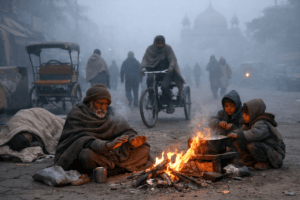
A shiver, more profound than any in recent years, has seized the plains of North India. This isn’t just a seasonal dip; it’s a severe meteorological event rewriting record books and reshaping daily life. As stations across Rajasthan, Haryana, and Punjab register temperatures perilously close to, and in some suspected cases, below freezing, the region is grappling with a cold wave that transcends mere weather statistics, becoming a test of resilience for millions.
The Anatomy of a Deep Freeze: More Than Just Cold Numbers
The data is stark. Amritsar at 1.1°C, Churu at 1.3°C, and unconfirmed reports of sub-zero temperatures in Rewari paint a picture of an intense cold wave. However, to understand this event, one must look beyond the minimum temperature readings. The real antagonist is the combination of factors creating a “feel-like” temperature far more dangerous.
The Siberian Connection: The primary driver is a relentless flow of cold, dry northwesterly winds sweeping down from the snow-clad Himalayas and the distant Siberian plains. These winds, devoid of moisture, allow for maximum radiative cooling at night. Clear skies facilitate the escape of whatever ground heat exists, leading to the drastic overnight plunges witnessed over the past week.
The Fog Factor: In areas where moisture lingers—near water bodies or due to light local winds—the cold has manifested as dense, debilitating fog. This fog, particularly in regions like Punjab and Haryana, is a dual threat. It traps pollution, creating a toxic smog that exacerbates respiratory issues, while also blanketing the land, preventing daytime solar heating and perpetuating the cold cycle. The “cold day” phenomenon, where maximum temperatures remain severely below normal even during sunlight hours, becomes a grim reality.
A Feeble Defense: The region’s hoped-for relief often comes from Western Disturbances—storm systems originating from the Mediterranean. The passage of a weak, upper-air trough mentioned in the forecast was simply too insignificant to disrupt the entrenched cold air mass. It’s akin to a small heater trying to warm a vast, open warehouse.
The Human Landscape: Life in the Grip of the Cold
This meteorological event translates into tangible human hardship:
- Agriculture on Edge: For the Rabi crop season, particularly for wheat, mustard, and peas, these temperatures are a menace. Prolonged exposure to near-freezing conditions can stunt growth and damage crops. Farmers in villages across Sikar or Bhiwani are likely spending sleepless nights, with small bonfires in fields being a common, desperate measure to generate protective warmth.
- Urban Disruption: In cities like Delhi, Chandigarh, and Jaipur, the crisis is multifaceted. Dense fog disrupts road, rail, and air travel, causing cascading delays. The homeless population faces an acute survival crisis, relying on night shelters and charitable warmth. For commuters, the “bone-chilling” morning breeze isn’t just hyperbole; it’s a physical assault that demands layered clothing and alters daily routines.
- Health Crisis Amplified: Hospitals see a surge in cases of hypothermia, severe asthma attacks, and respiratory infections. The cold air can trigger bronchospasms and increase blood pressure, posing severe risks to the elderly and those with pre-existing conditions. The economic burden on daily wage laborers, whose work is often outdoors and now halted or hazardous, is immense.
The Forecast: A Glimmer of Wet Relief, Not Warmth
The forecast suggests a crucial pivot. The next 72 hours are expected to be the peak of this cold spell, with temperatures potentially falling further marginally. The notion of “relief” arriving by the weekend, however, requires careful interpretation.
The anticipated “active western disturbance” between January 18th and 21st is not forecast to bring a warm breeze. Instead, it is predicted to induce winter showers—rain over the plains and snow over the mountains. While precipitation may temporarily moderate temperatures by a few degrees, it brings its own set of challenges:
- Wet Cold: A temperature of 5°C with rain feels far colder and more penetrating than a dry 2°C. The dampness seeps through clothing, creating a more profound chill.
- Agricultural Impact: For already stressed crops, untimely rain can be detrimental, potentially leading to waterlogging and fungal diseases.
- Logistical Nightmare: Rain combined with existing cold and fog could worsen travel chaos.
This underscores that the “relief” is relative. It signals a change in the character of the cold from a dry, intense freeze to a damp, pervasive chill, not a return to pleasant winter weather.
The Larger Climate Context: A Pattern or Anomaly?
While attributing a single weather event directly to climate change is complex, scientists note that a warming planet can intensify weather patterns, making extremes more frequent and severe. The disruption of global weather patterns, such as the noted potential return of El Niño later in 2026, can have downstream effects on winter conditions in the Indian subcontinent. This current cold wave, following trends of unpredictable monsoon seasons, fits into a broader narrative of increasing climatic volatility that Indian agriculture, infrastructure, and public health systems must now urgently adapt to.
Navigating the Freeze: Practical Preparedness
Beyond monitoring forecasts, practical steps are crucial:
- Layer Intelligently: Use moisture-wicking inner layers, insulating middle layers (wool, fleece), and a windproof outer shell. Protect extremities—head, hands, and feet.
- Secure Homes: Use weather-stripping for doors/windows, ensure safe heating, and protect exposed pipes.
- Check on Vulnerable Neighbors: Community solidarity is vital. The elderly, those living alone, and the homeless are at highest risk.
- Travel with Extreme Caution: If fog is forecast, delay non-essential travel. Ensure vehicles are serviced, with good brakes, tires, and fog lights.
Conclusion: A Stark Reminder of Nature’s Force
North India’s record-breaking cold is more than a news headline; it is a stark reminder of the power of regional climatology and the vulnerability of human systems to its extremes. As the region braces for a shift from a dry freeze to a wet chill, the event underscores the critical need for accurate, localized weather intelligence and robust public preparedness frameworks. The plains may have “succumbed to extreme cold conditions” for now, but the lessons learned in resilience must endure long after the temperatures finally rise. The coming week will not just test thermometers, but the very fabric of how society weathers the storm.
You must be logged in to post a comment.