
Beyond the Numbers: India’s Rising Cancer Burden and the Path to a Healthier Future
According to recent government data presented in Parliament, India is facing a steady increase in both cases and deaths from breast, cervical, and ovarian cancers from 2021 to 2025, highlighting a growing public health burden that disproportionately affects women. While officials attribute part of the rise to improved detection through expanded screening programs, oncologists warn the figures reveal persistent gaps in prevention and timely care, exacerbated by regional disparities—with high absolute numbers in populous states and alarmingly high cervical cancer rates in the Northeast. In response, the government is scaling up infrastructure, including new cancer centers and screening drives, but experts stress that accelerating HPV vaccination, ensuring affordable treatment, and bridging the critical gap between early detection and accessible care are urgently needed to reverse these preventable deaths.
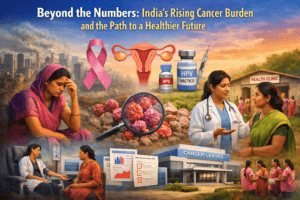
Beyond the Numbers: India’s Rising Cancer Burden and the Path to a Healthier Future
The latest government data presented in Parliament paints a sobering picture: a steady, year-on-year increase in breast, cervical, and ovarian cancers across India. Between 2021 and 2025, breast cancer cases rose from 2.13 lakh to 2.4 lakh, cervical cancer from 77,000 to over 79,000, and ovarian cancer from 45,000 to nearly 49,500. The mortality figures are equally stark, with over 1.03 lakh women losing their lives to breast cancer in 2025 alone. These are not just statistics; they represent a growing national health crisis that demands a move beyond headlines and into a deeper understanding of the “why” and “what now.”
Decoding the Rise: More Than Just “Better Detection”
While the Union Health Ministry rightly attributes part of the increase to improved detection through expanded screening, this is only one piece of a complex puzzle. The rise reflects a confluence of epidemiological transition, societal shifts, and persistent systemic gaps.
- The Double-Edged Sword of Awareness and Access:Yes, screening programs like the government’s population-based drive for those above 30 are detecting cancers earlier. However, the critical disconnect lies in what happens after detection. A screening test is not a cure. The data suggests that while we are getting better at finding cancer, the pathway to timely, affordable, and complete treatment remains fraught with obstacles—financial barriers, geographic inequity, and a sheer shortage of specialized care centers in vast regions of the country. The rise in deaths, even as cases are detected, underscores this tragic gap.
- Lifestyle and Demographic Shifts:India’s rapid urbanization and changing lifestyles are significant, though often understated, contributors. For breast cancer, established risk factors such as delayed childbearing, lower parity, reduced breastfeeding, sedentary habits, and dietary changes are becoming more prevalent. These shifts are layered upon genetic predispositions, creating a perfect storm. The narrative isn’t about blame, but about recognizing cancer as a disease modulated by modern life, necessitating prevention through public health education.
- The Glaring Disparity: A Tale of Two Indias:The data powerfully highlights India’s healthcare dichotomy. Large states like Uttar Pradesh and Maharashtra report high absolute numbers, reflecting their large populations. However, the northeastern states—Assam, Mizoram, Manipur—present a more alarming story with disproportionatelyhigh incidence rates of cervical cancer. This points to deep-seated regional variations in literacy, awareness, access to preventive healthcare (like HPV vaccination), and possibly cultural factors. A one-size-fits-all national program cannot address this; it requires hyper-local, culturally-sensitive health interventions.
The Silent Threat: Ovarian Cancer’s Stealthy Climb
While breast and cervical cancers rightly receive significant attention, the notable rise in ovarian cancer cases (from 45,000 to 49,500) is a silent alarm. Often called the “silent killer” due to vague, non-specific symptoms, ovarian cancer is frequently diagnosed at advanced stages. Its increase signals a need for heightened clinical suspicion among primary care physicians and greater public knowledge about symptoms like persistent bloating, abdominal pain, and changes in bowel habits. Investing in research for better early detection methods for ovarian cancer is as crucial as screening for the others.
Bridging the Chasm: Where Policy Meets Ground Reality
The government’s response, outlined in the data, is scaling up. The expansion of infrastructure—770 district NCD clinics, 364 day-care cancer centres, and plans for 297 more—is commendable. The establishment of State Cancer Institutes and Tertiary Care Centres, along with cancer facilities in new AIIMS, aims to decentralize and elevate care.
However, experts like Dr. Pragya Shukla point to the persistent gaps. Infrastructure alone is insufficient without addressing the human chain of survival:
- Accelerating HPV Vaccination: Cervical cancer is almost entirely preventable. The inclusion of the HPV vaccine in the national immunization program for girls is a pivotal step, but its speed, coverage, and eventual expansion to boys (to curb transmission) will determine its success. Overcoming vaccine hesitancy through community engagement is key.
- From Screening to Treatment Continuum: A screening drive must be inseparably linked to a robust referral system, affordable diagnostic confirmation, and treatment financing. The fear of bankruptcy from treatment costs should not be a barrier. Strengthening schemes like Ayushman Bharat to ensure seamless cover for cancer care is vital.
- Community-Level Awareness Warriors: Technology can help, but the real change agents are ASHA workers and community health officers trained not just to identify potential symptoms but also to dispel myths, combat stigma, and guide patients through the healthcare maze. Their role in encouraging follow-up is irreplaceable.
A Call for a Unified Front
The rising cancer graph is a call to action for a unified, multi-sectoral response. It requires:
- Individuals and Families: To adopt preventive lifestyles, participate in screening, and seek information from credible sources.
- Healthcare Providers: To bridge the gap between primary and tertiary care, ensuring early referrals and compassionate communication.
- Policy Makers: To ensure that infrastructure plans are matched with human resource recruitment and training, and that prevention is funded as robustly as treatment.
- Civil Society and Media: To sustain responsible awareness campaigns, share stories of survivorship, and hold the system accountable for equitable care.
The numbers from Parliament are a diagnosis of our system’s current health. The prognosis, however, is not fixed. It can be improved by moving from a narrative of fear to one of empowered action—where every woman has the knowledge, the access, and the support to stand a fighting chance against cancer. The goal is not just to build more cancer centers, but to build a society where far fewer people need to walk through their doors.
You must be logged in to post a comment.