
Beyond the Forecast: How Today’s Weather Weaves into the Fabric of Daily Life Across India
On January 25, 2026, India presents a stark tapestry of winter conditions, as detailed by the IMD, with the north grappling with severe cold and disruption while the south experiences milder, humid weather: Delhi-NCR wakes to dense fog and a chill of 5°C following its heaviest January rainfall in years, Jammu and Kashmir endures a harsh cold wave with temperatures plunging to -18°C, and Rajasthan and Punjab face crisp, sunny days. In contrast, coastal cities like Mumbai and Ahmedabad enjoy mild, pleasant temperatures around the mid-20s, Chennai remains steadily warm and humid, and Karnataka sees partly cloudy skies, with the nation’s weather profoundly impacting daily life, travel, health, and agriculture from the freezing valleys to the balmy western shores.
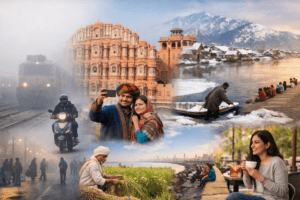
Beyond the Forecast: How Today’s Weather Weaves into the Fabric of Daily Life Across India
A crisp winter morning in India is never just about the temperature on a thermometer. It’s about the muffled silence of a fog-bound Delhi, the defiant warmth of a Mumbai breeze, and the biting chill that ices the windowpanes of Srinagar. As of January 25, 2026, the subcontinent is a living tapestry of contrasting weather patterns, each thread influencing the rhythm of life in its region. The Indian Meteorological Department’s (IMD) forecasts provide the data, but the real story lies in how these conditions—from serene sunshine to disruptive fog—are experienced on the ground.
The Northern Embrace: Fog, Chill, and Disruption
In the Delhi-National Capital Region (NCR), the day begins not with a sunrise, but with a pale, diffuse glow. A dense fog blanket has settled, reducing visibility and weaving a web of disruption. The minimum temperature of around 5°C is sharp, but it’s the fog that truly defines the day. It delays flights, slows trains to a crawl, and turns morning commutes into exercises in patience and hazard lights. The recent record rainfall of 13.2 mm, the highest January shower in three years, is a stark reminder of the heightened activity of western disturbances this season. This isn’t just “cold weather”; it’s a logistical challenge that tests the city’s infrastructure and the resilience of its millions of inhabitants. The fog is more than mist; it’s a tangible force that reshapes time and movement.
Moving westward, Rajasthan, particularly Jaipur, offers a different shade of winter. Here, the air is crisp and dry, with a sharp morning chill of 6°C that quickly gives way to a pleasantly warm afternoon in the low 20s. Unlike Delhi’s saturated haze, Rajasthan’s winter is clear and sunny, ideal for heritage walks—once the morning cold has subsided. The cold here feels pure and sharp, a dry cold that is alleviated by the sun’s direct warmth, painting a picture of a classic, sunny Indian winter.
However, the true extreme lies further north. Jammu and Kashmir is in the deep freeze. Srinagar is grappling with severe cold, with minimums at a bone-chilling -18°C and daytime highs struggling to reach -7°C. This is beyond a mere “cold day”; it’s a period of hardship where daily life contracts indoors, pipes risk freezing, and survival hinges on adequate heating and insulation. The IMD’s alerts here are not about inconvenience but public health and safety, warning of prolonged cold spells that demand serious preparation.
Neighboring Punjab, including Chandigarh, experiences a more moderate cold, with lows of 9°C and highs near 19°C. The skies are clear, and the chill is manageable—a familiar winter for the plains, where a sunny afternoon can still feel inviting.
The Western & Central Belt: Mild Winters and Steady Climes
On the western coast, Mumbai presents a poster child for a mild tropical winter. With temperatures between 22°C and 26°C, the city experiences what locals often call “pleasant” weather. The constant, gentle sea breeze at 7 km/h ensures the air never feels stagnant. This is the season Mumbaikars cherish—perfect for evening strolls on Marine Drive, open-air events, and a respite from the oppressive humidity of other months. The forecast of “no big swings” is a gift of stability in a city known for its frenetic pace.
In Ahmedabad, winter carries a slightly warmer, drier signature. Maximums of 27°C and minimums of 15°C feel more like a cool respite than a true winter chill. The light breeze and dry air are characteristic of the region. The predicted gradual rise in night temperatures as the weekend approaches signals the beginning of winter’s slow, steady retreat in this part of Gujarat, reminding residents that the warmer months are never too far away.
Central India, represented here by Uttar Pradesh, enjoys a cool and serene day. Temperatures between 14°C and 24°C are comfortable, with soft winds and clear skies. The absence of rain or fog alerts makes for predictable weather, ideal for agricultural activities and daily life. This is stable, manageable winter weather, the kind that allows for planning without meteorological interruptions.
The Southern Story: Humidity, Coastal Breezes, and Gradual Cooling
Down south, the narrative shifts from cold to humidity and coastal moderation. Chennai remains steadfastly warm and humid, with a narrow band of 24°C to 27°C. The 6 km/h coastal wind provides slight relief, but the high humidity is the dominant feature. The promise of cooler nights, dipping to 21°C by Friday, is the headline for residents. This slight dip is significant, offering a break from the persistent warmth and improving sleep quality—a small but valued seasonal shift.
In Karnataka, particularly Bengaluru, the weather is a blend of partly cloudy skies and high humidity (86%). The range of 18°C to 27°C encapsulates the city’s famous “evening sweater” climate. The consistent wind at 11 km/h and the forecast of gradually cooling mornings are key for the tech capital’s workforce, making the commute and outdoor lunch breaks more enjoyable. This gradual cooling is a subtle transition, felt more in the early hours than at peak afternoon.
The Human Element: Weather as a Daily Companion
Understanding this forecast is about more than knowing what to wear. It’s about:
- Health & Well-being: The extreme cold in Kashmir necessitates precautions against hypothermia, while Delhi’s fog can exacerbate respiratory issues. Mumbai’s pleasant weather encourages outdoor activity, and the high humidity in Chennai requires hydration.
- Travel & Commerce: Delhi’s fog has cascading effects on national schedules. The clear weather in Rajasthan boosts tourism, while the stable conditions in UP and Punjab support smooth transport of goods.
- Agricultural Rhythms: The cold wave in the north can damage certain crops, requiring protective measures, while the dry, sunny weather in Gujarat and Rajasthan is crucial for the harvest of specific winter crops.
- Cultural & Social Life: Weather dictates daily rituals—from the type of chai brewed in Srinagar to the time of evening walks in Bengaluru. It influences street food, festivals, and even social gatherings.
Looking Ahead: The Value of Contextual Insight
The IMD’s data is the indispensable skeleton of our daily weather understanding. But layering it with local context, practical implications, and seasonal trends transforms it from a simple bulletin into a valuable tool for planning and living. As January draws to a close, these patterns remind us of India’s incredible climatic diversity. One nation experiences life-threatening cold, disruptive fog, balmy coastal breezes, and steady humidity—all on the same day.
Staying informed means looking beyond the numbers. It means understanding that a forecast of “27°C and humid” in Chennai tells a story different from “27°C and dry” in Ahmedabad. It means recognizing that a “cold day” in Jaipur feels profoundly different from a “cold day” in Srinagar. By weaving the meteorological data into the fabric of regional life, we gain not just information, but insight—empowering us to navigate our days with greater preparedness and appreciation for the powerful, ever-changing atmosphere we live within.
You must be logged in to post a comment.