
Beyond the Forecast: Decoding North India’s Incoming Winter Fury and Its Ripple Effects
An intense western disturbance is set to trigger a significant weather shift across North India on January 23rd, ending a prolonged dry spell with widespread heavy rainfall and snowfall, particularly in the Western Himalayan regions of Jammu & Kashmir, Himachal Pradesh, and Uttarakhand, where an orange alert is in effect. The plains, including Delhi, Punjab, Haryana, and West Uttar Pradesh, will experience light to moderate rain and isolated hailstorms, which poses a threat to winter crops and coincides with—and may disrupt—the full dress rehearsal for the Republic Day parade in the capital. While initial cloud cover may raise nighttime temperatures slightly, the aftermath of the system will usher in a period of “stinging cold” as clearer skies and moisture combine, marking a return to sharper winter conditions across the region.
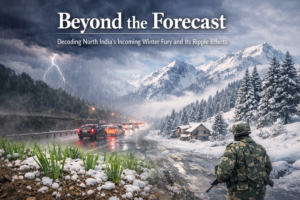
Beyond the Forecast: Decoding North India’s Incoming Winter Fury and Its Ripple Effects
The familiar dry, dusty chill of a North Indian winter is about to undergo a dramatic transformation. After nearly three months of parched skies and relentless cold waves devoid of precipitation, the region stands on the brink of a significant weather event. An intense western disturbance, poised to strike on January 23rd, is set to deliver a potent mix of heavy rain, snow, and hail, promising not just a change in the weather but a cascade of effects that will touch everything from national security preparations to agricultural rhythms and the daily lives of millions.
The Science Behind the Shift: More Than Just a Storm
At its core, a western disturbance is a non-monsoonal storm system originating in the Mediterranean region, carrying moisture eastwards towards the Indian subcontinent. Think of it as a large-scale atmospheric ripple. The current system, however, is being characterized as “intense” by the India Meteorological Department (IMD). Its potency is amplified by a crucial atmospheric collaboration: circulations over northern Pakistan and northwest Uttar Pradesh are acting as channels, actively pulling moisture from both the Bay of Bengal and the Arabian Sea. This dual-source moisture feed is what escalates the potential from scattered showers to widespread, heavy precipitation.
This event breaks a prolonged “dry spell” that has defined the winter. Such spells are more than just a lack of rain; they allow pollutants to accumulate, soil moisture to deplete, and a pervasive, dry cold to set in. The incoming system is, in essence, a full atmospheric reset. The precipitation will cleanse the air, replenish groundwater marginally, and, most notably, alter the thermal profile of the entire Indo-Gangetic plain.
Regional Impact: A Sector-by-Sector Breakdown
The effects will be far from uniform, painting a diverse picture across North India.
- The Western Himalayas (J&K, Ladakh, Himachal Pradesh, Uttarakhand): Here, the drama will be most visible. The IMD’s orange alert signals heavy to very heavy snowfall and rainfall. Key passes and highways may experience temporary blockades, impacting travel and logistics. For the horticulture sector, particularly apple farmers, snowfall is a double-edged sword—it provides essential winter chill and moisture but brings the risk of branch damage from heavy loads or hail. The tourism sector, however, might see a boost as popular destinations transform into pristine winter wonderlands, albeit with travel advisories in effect.
- The Plains (Punjab, Haryana, Delhi-NCR, West UP): These regions are forecast to receive light to moderate rain, with isolated hailstorms. The hailstorm threat is particularly significant for the Rabi (winter) crop season. Standing crops of wheat, mustard, and gram could suffer physical damage from hail stones, a concern for which the IMD’s alert serves as a crucial warning for farmers to take protective measures if possible. For urban centers like Delhi, the rain will wash away pollutants, offering a temporary respite from poor air quality, but will also lead to waterlogging in typical low-lying areas and disrupt traffic.
- The National Capital’s Particular Predicament: The timing of this weather shift intersects with a high-stakes national event. January 23rd is scheduled for the full-dress rehearsal of the Republic Day parade on Kartavya Path. This rehearsal is a critical, logistically complex exercise involving thousands of personnel, military hardware, tableaux, and school children. Weather vloggers and experts like Devendra Tripathi have pointed out the high likelihood of rain in the capital between morning and afternoon, with persistent cloud cover. This poses a formidable challenge: rehearsal elements like fly-pasts, motorcycle stunts, and cultural performances are highly weather-sensitive. Contingency plans, altered timings, and sheer perseverance will be on display, showcasing the immense effort behind the seamless spectacle of Republic Day.
The Temperature Rollercoaster: A Delayed but Intense Chill
A common misconception is that rain in winter immediately means colder days. The initial effect is often the opposite. The influx of cloud cover acts as an insulating blanket, trapping terrestrial radiation. This leads to a rise in minimum temperatures by 2-4 degrees Celsius, making nights feel less harsh initially. However, this is the calm before a deeper cold.
Once the western disturbance passes, the skies will clear. The moisture deposited by the rain and snow will create a damp environment. Combined with northerly winds, this sets the stage for intense radiative cooling. The resultant cold is often described as a “stinging” or “bone-chilling” cold—a damp, pervasive chill that seeps through layers of clothing, markedly different from the prior dry cold. This post-disturbance chill is likely to grip the region for several days after the main event, a classic winter pattern that the incoming system is primed to activate.
Beyond the Headlines: Long-Term Implications and Human Resilience
While the news cycle focuses on disruption and alerts, this weather shift holds deeper narratives.
- Water Security: Winter precipitation in the Himalayas is vital for glacier replenishment and sustains the flow of rivers like the Indus, Ganges, and Yamuna through the dry spring and early summer. A robust snowfall season is a positive indicator for water availability later in the year.
- Agricultural Rhythms: For traditional farmers, this pattern is part of an age-old cycle. The moisture is welcome for wheat, but the hail threat necessitates vigilance. It’s a reminder of agriculture’s eternal dance with the elements, now aided by advanced forecasting but still fundamentally at nature’s mercy.
- Urban Infrastructure Stress Test: For cities, every such event tests drainage systems, emergency response, and traffic management. It highlights the gap between infrastructural design and climate reality, as extreme weather events become more frequent.
Preparedness and Perspective: Navigating the Shift
As North India braces for this shift, preparedness is key. Travelers to the hills must check road statuses and carry chains. Farmers should heed advisories from agricultural departments. Urban commuters should plan for delays and likely cooler, damp conditions post-rain. For the average citizen, it’s a moment to appreciate the complex forces that shape our climate.
This intense western disturbance is not merely a “weather news item.” It is a dynamic atmospheric event that connects the Mediterranean to the Bay of Bengal, influences national ceremonies, dictates market prices for produce, and dictates the simple question of what to wear. It underscores a fundamental truth: in an era of global climate conversation, the immediate, visceral experience of weather—the smell of petrichor in winter, the muffled quiet of a snowy landscape, the shared inconvenience of a rainy rehearsal—remains one of the most powerful reminders of our environment’s profound influence on human life. As the clouds gather, they bring with them a story of interconnection, challenge, and the enduring rhythm of the seasons.
You must be logged in to post a comment.