
As Rains Retreat, Maharashtra Braces for Winter’s Bite: A Region-by-Region Guide to the Incoming Cold Wave
Following the complete withdrawal of the monsoon, Maharashtra is set for a significant weather shift as the Indian Meteorological Department (IMD) forecasts the onset of a cold wave, marked by sunny, dry days but a gradual and pronounced drop in nighttime temperatures.
This change, driven by radiational cooling under clear skies, will manifest differently across the state’s regions, from the mild, balmy evenings of the Konkan coast to the sharp, penetrating chill expected in interior areas like Marathwada and North Maharashtra where minimums may plunge to 13°C. Residents are advised to prepare for this seasonal intensification, which demands health precautions against respiratory ailments and a general shift in daily routines to adapt to the colder conditions.
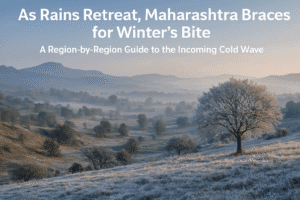
As Rains Retreat, Maharashtra Braces for Winter’s Bite: A Region-by-Region Guide to the Incoming Cold Wave
The familiar drumming of rain on rooftops has finally ceased. After weeks of intermittent showers that defined the tail end of the monsoon, a palpable shift is occurring in the air across Maharashtra. The Indian Meteorological Department (IMD) has officially declared the complete withdrawal of the monsoon from the state, marking a definitive end to the rainy season and heralding the swift arrival of winter’s crisp embrace. With clear, dry skies set to dominate, a gradual yet significant drop in temperatures is underway, promising a season of sunny days and noticeably chilly nights.
This transition is more than just a meteorological footnote; it’s a cultural and practical shift that affects daily life, from the clothes we wear to the foods we crave and the health precautions we must take. Let’s delve deeper into what this new weather pattern truly means for the residents of Maharashtra.
The Science Behind the Shift: Why the Chill is Setting In
The departure of the monsoon is the primary driver of this change. The monsoon system, characterized by moisture-laden winds, acts like a insulating blanket, trapping warmth and leading to high humidity and relatively stable night-time temperatures. With this system now retreated, the atmosphere over Maharashtra has become dry and devoid of significant cloud cover.
This lack of cloud cover is critical. During the day, the sun’s rays heat the earth’s surface unimpeded. However, after sunset, with no clouds to trap that radiated heat, it escapes rapidly back into the atmosphere. This phenomenon, known as “radiational cooling,” is the reason for the sharp dip in minimum temperatures, especially in inland areas away from the moderating influence of the sea. The result is the classic Indian winter pattern: pleasantly warm afternoons giving way to cold, and often surprisingly crisp, nights and early mornings.
A Micro-Climate Mosaic: How Your Region Will Fare
Maharashtra’s diverse topography creates a tapestry of micro-climates, meaning the experience of this cold wave will vary significantly from the coast to the highlands.
- The Konkan Coast (Mumbai, Thane, Palghar, Raigad):For Mumbaikars and coastal residents, “winter” is a relative term. The Arabian Sea continues to exert a moderating influence, preventing the kind of cold found further inland. Expect clear, sunny days with a maximum temperature around a comfortable 31°C. The real change will be felt after dark, with minimums dipping to around 22°C. This translates into pleasant, balmy evenings perfect for strolls, but the humidity will make the air feel cooler than the thermometer suggests. It’s a gentle transition, but a welcome respite from the oppressive heat and rain.
- Western Maharashtra (Pune, Kolhapur, Satara, Sangli):This region, particularly Pune, is the bellwether for Maharashtra’s winter. The city’s elevation and inland location make it a prime candidate for the quintessential “Pune winter.” With a forecast high of 31°C and a low of 18°C, the contrast is stark. Early mornings will carry a distinct chill, necessitating a light jacket or sweater for morning commutes on two-wheelers. The air will be dry, the skies a brilliant blue, and the famedPune shiver will begin to make its appearance. In the surrounding ghats and districts like Satara, temperatures can plummet even further, offering a more intense cold experience.
- Marathwada (Chhatrapati Sambhajinagar, Jalna, Latur, Nanded):Prepare for the most dramatic drop. Cities like Chhatrapati Sambhajinagar are forecast to see minimums plunge to a brisk13°C. This region, with its dry, continental climate, experiences one of the most pronounced winters in the state. The cold here is sharp and dry, a world away from the coastal humidity. Daytime will still be warm under the sun, but the moment the sun sets, the cold descends rapidly. This is where the term “cold wave” truly hits home, and residents are often the first to pull out their heavy blankets and winter wardrobes.
- North Maharashtra (Nashik, Dhule, Jalgaon, Ahmednagar):Similar to Marathwada, North Maharashtra is set for a significant cooldown. Nashik, another city with considerable elevation, is looking at night-time lows of 13°C. The grapevines in the region’s sprawling vineyards will soon experience the chilly nights that are crucial for their growth cycle. For residents, this means foggy mornings, especially in low-lying areas, and a persistent chill that lingers well into the late morning hours.
- Vidarbha (Nagpur, Amravati, Chandrapur, Akola):Known as the “Orange City,” Nagpur’s winter is characterized by a thick layer of morning fog that often disrupts road and air travel. With temperatures ranging from a high of 30°C to a low of 16°C, the region experiences a humid cold, especially in eastern parts near Chandrapur and Gadchiroli. The contrast between the warm, sunny afternoons and the cold, damp mornings is a defining feature of a Vidarbha winter.
Beyond the Forecast: Living with the Changing Season
This seasonal shift isn’t just about numbers on a thermometer; it demands a change in lifestyle and preparedness.
- Health is Wealth: The sudden change in temperature is a common trigger for respiratory ailments like asthma, bronchitis, and the common flu. The dry air can also aggravate skin conditions. It is advisable to:
- Stay hydrated, as the cool weather can reduce thirst.
- Layer clothing to easily adapt to the shifting temperatures throughout the day.
- Ensure vulnerable populations—the elderly and young children—are kept warm, especially at night.
- Incorporate seasonal, vitamin-C rich foods like oranges, amla, and leafy greens into your diet.
- Agriculture in Transition: For the farming community, the end of the Kharif harvest season and the onset of winter marks a period of preparation for Rabi crops like wheat and gram. The dry conditions are favorable for harvesting the standing Kharif crops, but the cold wave can be a concern for certain horticultural crops, requiring protective measures.
- A Change in Rhythm: There’s an undeniable cultural shift. Evenings move indoors, street-side chai stalls become hubs of warmth and conversation, and the aroma of seasonal delicacies fills the air. It’s a time for festivals, family gatherings, and enjoying the great outdoors without the hindrance of rain or extreme heat.
Looking Ahead: A Progressive Intensification
The IMD has confirmed that the current conditions are just the beginning. The chill in the air is expected to intensify over the coming weeks, with minimum temperatures likely to drop further by several degrees, particularly in the interior regions, as we move deeper into December and January.
In conclusion, the exit of the rains is the starting pistol for Maharashtra’s winter season. From the gentle cooling of the coast to the sharp, penetrating cold of the interior, the state is set to don its winter avatar. By understanding the regional nuances and preparing accordingly, residents can not only safeguard their health but also fully embrace the unique charms that this beautiful, bracing season has to offer.
You must be logged in to post a comment.