
An Early Embrace of Winter: Unpacking India’s Premature Cold Wave and Its Regional Impact
An early and severe onset of winter is gripping large parts of India, driven by premature snowfall in the Himalayan states of Jammu & Kashmir, Himachal Pradesh, and Uttarakhand, which is sending a ripple effect of cold, dry winds into the plains. The India Meteorological Department (IMD) has forecast cold wave conditions for isolated areas of East Rajasthan, Madhya Pradesh, Chhattisgarh, and Jharkhand, while dense morning fog in Uttar Pradesh and a significant temperature dip in Delhi—potentially reaching 10°C—are disrupting daily life, impacting health, agriculture, and transportation well ahead of the typical winter schedule.
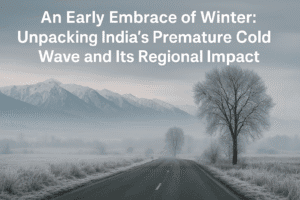
An Early Embrace of Winter: Unpacking India’s Premature Cold Wave and Its Regional Impact
Introduction: A Sudden Shift in the Air
There’s a distinct, crisp bite in the morning air that has arrived a little ahead of schedule. Across the northern plains and central highlands of India, the familiar transition from the retreating monsoon to the gentle winter has been bypassed, replaced instead by a sharp, unanticipated cold. As of November 10, 2025, the India Meteorological Department (IMD) confirms what millions are already feeling: winter has announced its presence with authority. This isn’t just a slight dip in the mercury; it’s a significant meteorological event marked by early snowfall, cold wave conditions, and a foggy shroud that is reshaping daily life, agriculture, and travel plans.
This article moves beyond the basic forecast to explore the why and the so what behind this early chill. We will journey from the snow-laden peaks of Himachal to the foggy fields of Uttar Pradesh and the suddenly cold deserts of Rajasthan, providing a comprehensive analysis of what this weather shift means for the nation.
The Big Picture: Decoding the IMD’s Forecast
The IMD’s bulletin points to a confluence of factors creating this scenario. The primary driver is the early and vigorous onset of western disturbances interacting with the retreating monsoon winds. This collision has not only triggered significant snowfall in the higher Himalayas but has also allowed a continuous flow of cold, dry winds from the snow-clad mountains down into the plains.
Key alerts from the IMD include:
- Cold Wave Conditions: Isolated areas in East Rajasthan, Madhya Pradesh, Chhattisgarh, and Jharkhand are officially under a cold wave alert. A “cold wave” is technically declared when the minimum temperature drops to 10°C or below in the plains and is 4.5°C to 6.4°C below the season’s average.
- Fog and Mist: Dense morning fog and mist have been predicted for several districts in Uttar Pradesh, Punjab, Haryana, and parts of Bihar, a phenomenon typically seen in deeper winter.
- Snowfall: The hilly states of Jammu & Kashmir, Himachal Pradesh, and Uttarakhand have already received their first major snowfall of the season, setting a chilly precedent for the months ahead.
Regional Deep Dive: From Frosty Mornings to Snow-Capped Peaks
1. The Himalayan Belt: A Winter Wonderland Arrives Early
The hills are experiencing a classic, picturesque winter onset.
- Himachal Pradesh & Uttarakhand: Tourist hotspots like Manali, Kufri, and Auli have woken up to a fresh blanket of snow. The IMD warns that night temperatures, particularly in the mountainous regions, are set to plummet further. This early snowfall is a double-edged sword: it promises a booming tourist season for ski enthusiasts and holidaymakers but also brings challenges like blocked roads, power outages, and the need for immediate cold-proofing of infrastructure. For local agriculture, this snow is a vital source of water for the upcoming year, recharging glaciers and aquifers.
- Jammu & Kashmir: The valley is firmly in the grip of ‘Chillai Kalan’, the harshest 40-day winter period, which has begun with intense snowfall. The minimum temperatures in Srinagar and Gulmarg are already hovering near freezing points, a stark reminder of the severe cold to come.
2. The Plains: An Unseasonable Chill
The ripple effect of the Himalayan weather is being felt intensely in the plains.
- Delhi-NCR: The capital is experiencing a rollercoaster of weather, with sunny afternoons giving way to surprisingly cold nights and mornings. The IMD has forecast that the city’s minimum temperature could touch 10°C by November 11, a value more typical of late December. The bigger concern, however, is the rapidly deteriorating air quality. The cold, stagnant air is trapping pollutants, creating a toxic smog that compounds the health risks associated with the cold, especially for those with respiratory issues.
- Uttar Pradesh: The state is witnessing a familiar winter pattern, but weeks in advance. Morning fog and mist have reduced visibility in cities like Lucknow, Kanpur, and Varanasi, impacting road and rail traffic. While the IMD suggests a slight rise in daytime temperatures due to westerly winds in the coming days, the nights and early mornings will remain intensely cold.
- Rajasthan: The Surprising Cold Front Perhaps the most startling development is in Rajasthan. Cities like Sikar and Tonk have already recorded temperatures below 10°C, with a definite cold wave sweeping through. This is unusual for early November. The Thar Desert, known for its scorching days, is experiencing nights that require heavy woolens. This premature cold can have an impact on the Rabi crop season, particularly on mustard and wheat, if the cold wave persists.
3. Central India: Feeling the North’s Chill
The cold wave is not confined to the north. Isolated parts of Madhya Pradesh and Chhattisgarh are also on alert. Cities like Bhopal and Jabalpur are seeing cooler-than-average mornings, signaling that the reach of this early winter is extensive.
Beyond the Forecast: The Human and Economic Impact
An early and harsh winter is more than just a weather report; it has tangible consequences.
- Health and Wellbeing: There’s a sudden spike in cases of flu, colds, and aggravated asthma and arthritis. The vulnerable—the elderly, children, and the homeless—are at immediate risk, highlighting the need for night shelters and public health advisories.
- Agriculture: For farmers, this is a critical period. While wheat cultivation benefits from a certain period of cold, an unseasonal, sharp cold wave can damage the initial growth stages of the crop. Frost can be particularly devastating for vegetable crops like tomatoes and potatoes.
- Travel and Tourism: While the early snow is a boon for hill station tourism, the fog in the plains is a nightmare for transportation. Flight and train schedules are already experiencing delays. Road travel, especially on highways traversing UP and Bihar, becomes hazardous due to low visibility.
- Energy Consumption: The demand for electricity and gas sees an early surge as people switch on heaters and geysers, putting a strain on the power grid.
Looking Ahead: Preparing for the Long Winter
If this is the preamble, the main chapter of winter could be a severe one. Here’s how to prepare:
- Health First: Invest in proper winter clothing, including layers, jackets, and thermals. Get flu shots, maintain a diet rich in Vitamin C, and stay hydrated. For those with respiratory conditions, wearing a mask outdoors can protect against both the cold air and pollution.
- Home Readiness: Weather-strip doors and windows to keep the cold out. Service your heating appliances to ensure they are safe and efficient.
- Travel Smart: If traveling to the hills, carry chains for your vehicle and be prepared for road closures. In the plains, check train and flight statuses frequently, and avoid early morning travel on foggy days if possible.
- Community Care: This is a time to check on neighbors, especially those living alone. Supporting local initiatives that provide blankets and warm food to the underprivileged can make a significant difference.
Conclusion: A Season of Significance
The early arrival of cold wave conditions across large parts of India is a significant weather event that underscores the dynamic and sometimes unpredictable nature of the subcontinent’s climate. It serves as a stark reminder to administrations, communities, and individuals to be proactive in their winter preparedness. From the serene, snow-clad silence of the Himalayas to the foggy, bustling lanes of Delhi, the nation is bundling up for a winter that has decided not to wait. As we navigate this chilly onset, understanding its breadth and depth is the first step in adapting safely and smartly to the season ahead.
You must be logged in to post a comment.