
An Early and Unforgiving Embrace: Decoding the Deepening Cold Wave in North India
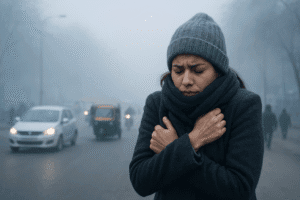
An Early and Unforgiving Embrace: Decoding the Deepening Cold Wave in North India
The familiar, gentle chill that typically heralds the onset of winter in North India has been conspicuously absent this year. In its place, a sharp, biting cold has descended with uncharacteristic haste, jolting the residents of Delhi-NCR and the broader plains into an early and severe winter. The India Meteorological Department’s (IMD) latest warnings are not just a routine weather update; they are a clarion call about an intensifying cold wave that promises to push temperatures 2 to 5 degrees Celsius below seasonal averages. This isn’t just about pulling out a sweater; it’s about understanding a significant meteorological shift that carries implications for our health, our daily routines, and the environment.
As moderate fog cloaks the valleys of Assam and Meghalaya and a patchy, dense shroud begins to settle over the Gangetic plains, the question on everyone’s mind is: Why is this winter so assertive, so soon?
The Anatomy of an Early Cold Wave: More Than Just a “Chill”
To call this a mere “drop in temperature” is to underestimate the phenomenon. A “cold wave” is a specific meteorological event, and its early arrival in states like Rajasthan, Madhya Pradesh, Punjab, Haryana, and Delhi-NCR points to a confluence of factors.
The primary driver is the unfettered flow of cold, north-westerly winds from the snow-clad Himalayas and the plains of Central Asia. Typically, these winds gain strength and dominance gradually through December. This year, however, a strong and persistent high-pressure system over the northern latitudes has funneled these icy winds into the Indian plains earlier and with greater intensity.
Simultaneously, the absence of significant western disturbances—storm systems originating from the Mediterranean that usually bring cloud cover and precipitation—has left the skies clear. While we enjoy sunny days, these clear skies allow for rapid radiative cooling at night. The earth’s heat escapes unhindered into the atmosphere, causing the mercury to plummet swiftly after sunset. This combination of intense cold air advection and optimal cooling conditions is the perfect recipe for the severe cold wave the IMD has flagged.
A Tale of Two Weathers: North India Shivers, South Braces for Rain
The sharp north-south divide in India’s weather is currently on full, dramatic display. As North India bundles up, the IMD has issued a separate set of warnings for the peninsular region. Coastal Andhra Pradesh, Yanam, and Rayalaseema are on alert for heavy rainfall around November 25. Meanwhile, Kerala, Mahe, and the Andaman and Nicobar Islands are bracing for spells of severe to extremely heavy rainfall in the same timeframe.
This contrast is a classic example of the diverse weather regimes that operate across the subcontinent. While the north is under the influence of continental winds, the south remains in the throes of moisture-laden easterly winds and potential low-pressure areas in the Bay of Bengal. This dichotomy means the nation is, in a sense, experiencing two different seasons at once.
Beyond the Thermometer: The Real-World Impact of the Big Freeze
The implications of this sudden cold snap extend far beyond the simple act of feeling cold. This weather shift has tangible, and sometimes severe, consequences for daily life.
- Public Health Crisis in the Making:Hospitals and clinics in the NCR region are already reporting a surge in patients complaining of respiratory ailments, aggravated asthma, and bronchial infections. The cold, dry air can irritate the airways, while the increasing fog and associated pollutants (which get trapped near the ground, leading to smog) create a perfect storm for those with pre-existing conditions. The risk of hypothermia, especially for the homeless, the elderly, and street dwellers, becomes a critical public health concern. Heart patients also need to be vigilant, as the body exerts more pressure tomaintain core temperature in the cold, putting a strain on the cardiovascular system.
- Travel and Transportation Gridlock:The “patchy fog” mentioned in the IMD report is a precursor to the dense fog that willlikely blanket the region in the coming weeks. For aviation and railways, this translates to delays, cancellations, and immense logistical nightmares. On the roads, reduced visibility becomes a deadly hazard, leading to chain-reaction accidents on highways. The morning and evening commutes in cities like Delhi, Gurugram, and Noida are set to become longer and more perilous.
- Agriculture on Thin Ice:While a certain amount of cold is beneficial for Rabi season crops like wheat, a severe and sudden cold wave can be devastating. A phenomenon called “frost,” which can occur when temperatures drop drastically under clear skies, can damage the delicate tissues of crops,stunting growth and reducing yields. Farmers in parts of Western Madhya Pradesh, Punjab, and Haryana are watching the skies with apprehension.
Your Personal Cold Wave Action Plan: Staying Safe and Warm
Navigating this harsh weather requires proactive measures.
- Layer Up Intelligently: Ditch the single heavy jacket. Instead, wear multiple thin layers of clothing. This traps air between the layers, providing far better insulation than one bulky garment. Start with a moisture-wicking inner layer, add a warm middle layer like wool or fleece, and top it with a wind and water-resistant outer layer.
- Guard Your Extremities: A significant amount of body heat is lost from the head, hands, and feet. A warm cap, gloves, and thick socks are non-negotiable, especially if you are outdoors for extended periods.
- Nutrition is Key: Your body burns more calories to stay warm. Consume warm, nourishing meals. Incorporate nuts, jaggery (gur), whole grains, and healthy fats into your diet. Herbal teas, soups, and warm milk are excellent for maintaining core body temperature.
- Secure Your Home: Check for and seal drafts around windows and doors. Use heavy curtains to keep the cold out at night. If you use room heaters, ensure adequate ventilation to prevent a build-up of carbon monoxide and never leave them unattended or sleep with them on.
- Vulnerable Populations Need Extra Care: Regularly check on elderly neighbors and relatives. Ensure they have adequate warm bedding and are eating hot meals. Support local charities that provide blankets and warm shelter to the homeless.
A Sign of Things to Come? The Bigger Picture
This early and intense cold wave inevitably leads to questions about larger climatic patterns. Is this a one-off anomaly, or part of a broader trend of increasingly erratic and extreme weather events? While a single cold spell cannot be directly attributed to climate change, scientists have noted that a warming planet can disrupt established weather patterns, leading to more frequent and intense bouts of both extreme heat and extreme cold. The jet stream can become wavier, allowing frigid polar air to dip further south than usual.
The current cold wave, therefore, is more than just a weather report. It is a stark reminder of our environment’s dynamic and often unpredictable nature. As the IMD warns of temperatures dropping even further in the days to come, it’s a call to action—to be prepared, to be resilient, and to be mindful of the delicate balance of the world we inhabit. The deep winter has announced its arrival early; our preparedness must now match its intensity.
You must be logged in to post a comment.