
A Generation in Chains: The Systematic Crisis Facing Palestinian Child Detainees
Based on reports from the Waed Association of Palestinian Prisoners and corroborated by other human rights organizations, Palestinian children detained within the Israeli military detention system face allegations of systematic ill-treatment, including harsh arrest procedures, inadequate conditions of confinement, and interrogation methods that may constitute torture, all of which violate international children’s rights conventions.
These practices, occurring within a separate military court system for Palestinians from the occupied territories, are said to inflict severe psychological and physical trauma, with critics arguing the long-term effect is to undermine the well-being and future resilience of a generation. Israeli authorities state that such arrests are necessary for security, denying systematic abuse and asserting operations are conducted within legal boundaries, though this remains contested by extensive NGO documentation. The situation presents a profound humanitarian and legal crisis, with significant implications for the long-term trajectory of the conflict.
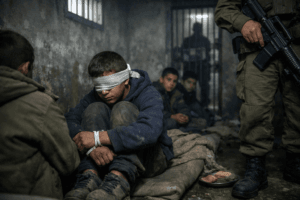
A Generation in Chains: The Systematic Crisis Facing Palestinian Child Detainees
A recent report from the Waed Association of Palestinian Prisoners has cast a searing light on a chronic, yet often overshadowed, dimension of the Israeli-Palestinian conflict: the systematic detention and alleged ill-treatment of Palestinian children by Israeli authorities. The allegations are grave, describing a reality far removed from the protections guaranteed under international law—a reality of winter cold, medical neglect, overcrowding, and psychological trauma inflicted on minors. While such reports are often met with political polarization, a closer examination reveals a deeply entrenched system with documented legal, humanitarian, and long-term societal consequences that demand scrutiny beyond the headlines.
Beyond Allegation: A Pattern Documented by Multiple Sources
While Waed’s statement is forceful, its claims do not exist in an evidential vacuum. Their reports align with consistent findings from internationally recognized human rights organizations for over a decade. UNICEF, in a landmark 2013 report titled “Children in Israeli Military Detention,” concluded that the “ill-treatment of children who come in contact with the military detention system appears to be widespread, systematic and institutionalized.” While noting some procedural improvements since, UNICEF and organizations like Defense for Children International – Palestine (DCIP) continue to document ongoing abuses.
The typical trajectory for these children, as documented by these groups, follows a disturbingly consistent pattern. Arrests often occur during nighttime raids by Israeli soldiers, a profoundly terrifying experience for any child. The minors are frequently blindfolded, their hands bound with plastic ties, and transferred to interrogation centers without immediate access to a lawyer or their parents—a direct violation of international juvenile justice standards, including the UN Convention on the Rights of the Child, which Israel has ratified.
During interrogation, the goal often appears less about immediate security and more about extraction of confessions and intimidation. DCIP has collected hundreds of affidavits citing common tactics: verbal abuse, threats of violence against the child or their family, physical violence, and prolonged periods of solitary confinement to create disorientation and fear. Confessions obtained under these conditions are frequently written in Hebrew, a language many detainees do not understand.
The Harsh Reality of Detention Conditions
The allegations of harsh conditions within detention facilities are particularly alarming. Reports describe severe overcrowding in cells, lack of adequate hygiene facilities, and poor quality food. The specific mention of deprivation of adequate clothing and blankets against the winter cold is a recurring theme. Perhaps most critical is the issue of medical neglect. With over 600 children arrested in the past year alone, as noted by Riyad al-Ashqar of the Palestinian Center for Prisoner Studies, and with infectious diseases reportedly spreading in cramped quarters, the failure to provide prompt and comprehensive medical care constitutes a serious threat to child welfare.
These experiences have devastating and well-documented psychological impacts. Child psychologists and trauma experts working in the region identify a common constellation of symptoms among released detainees: severe anxiety, depression, post-traumatic stress disorder (PTSD), regressive behaviors, and a profound disruption of their education and social development. The statement’s warning that these actions aim “to create a weak and fearful generation” touches on a concept psychologists call “learned helplessness”—the crushing of a young person’s sense of agency and hope.
The Legal and Systemic Framework
To understand this as more than isolated incidents, one must examine the legal framework governing these detentions. Palestinian children in the occupied West Bank are prosecuted not in civilian juvenile courts, but in Israeli military courts. These courts have a conviction rate exceeding 99%. This separate, unequal legal system is a cornerstone of the issue. While Israeli children within Israel enjoy robust legal protections, Palestinian minors from the occupied territories are subject to a military order system that provides far fewer safeguards.
This two-tiered justice system is the engine of the crisis. Military Order 1651, which governs juvenile detention, has been amended over time under international pressure but still falls dramatically short of international norms. For example, while the age of majority is 18 under both Israeli civilian and international law, this military order originally defined a “child” as under 16, a provision later revised but indicative of the system’s foundational disparity.
The Israeli Response and the Broader Context
Israeli authorities consistently reject accusations of systematic abuse or torture. The Israel Defense Forces (IDF) state that arrests are made on the basis of intelligence and suspicion of involvement in activities such as stone-throwing, Molotov cocktail attacks, or other security offenses—actions they say endanger Israeli civilians and soldiers. They maintain that all procedures are conducted within the boundaries of Israeli and international law, and that improvements to procedures have been implemented.
They point to the real security threats faced by Israeli communities, particularly in areas near the West Bank, and argue that the military court system is a necessary tool to address these threats in an ongoing conflict. From this perspective, the detention of minors is an unfortunate but required response to violence, not a policy of collective punishment.
The Unseen Cost: A Fractured Future
The true cost of this system extends far beyond prison walls. Each detained child is part of a family and a community. Their arrest and treatment breed deep-seated resentment, fear, and a erosion of trust in any notion of justice. It actively undermines the possibility of future reconciliation. When a young person’s formative experience with authority is one of perceived injustice and humiliation, it calcifies identities in conflict.
Furthermore, the disruption to education is catastrophic. Missed schooling during critical years sets back individual potential and, on a societal level, deprives a future generation of the skills needed to build stability. The trauma impairs cognitive function and emotional regulation, making the return to normal life and learning an immense challenge.
A Call for Unambiguous Humanity
The reports from Waed, corroborated by international NGOs, present the international community with a fundamental question that transcends politics: What is the acceptable treatment of a child in any conflict?
Regardless of one’s stance on the broader geopolitical struggle, the principles are clear. International humanitarian law, particularly the Fourth Geneva Convention, and international human rights law, especially the Convention on the Rights of the Child, establish unambiguous obligations for the protection of children in conflict zones. These include absolute prohibitions on torture and ill-treatment, the right to be treated with dignity, the right to legal assistance, and the right to have their best interests as a primary consideration.
Addressing this crisis requires moving beyond reciprocal blame and confronting the systemic nature of the issue. It demands:
- Independent, transparent investigation of all allegations of abuse.
- Full adherence to international juvenile justice standards, including ensuring children are never interrogated without a lawyer and parent present, and that evidence obtained through coercion is inadmissible.
- Prioritization of detention as a measure of absolute last resort for children, with exploration of alternatives.
- Immediate improvement of detention conditions to meet basic humanitarian standards for health, hygiene, and dignity.
The fate of these children is not a sidebar to the Israeli-Palestinian conflict; it is central to its trajectory. The choices made today in how the most vulnerable are treated will indelibly shape the psychological and social landscape of the region for decades to come. Protecting their rights is not a concession to an adversary, but a reaffirmation of our common humanity and a necessary investment in any future where peace becomes more than a distant hope. The world’s silence on their plight is a complicity in shaping a broken future.
You must be logged in to post a comment.